
What Makes the Jewish Calendar for 2027 Uniquely Fascinating?
Ever wondered why the Jewish calendar feels like a puzzle wrapped inside an enigma? Well, 2027 (Hebrew year 5787) is no different — it blends lunar months with solar years in ways that keep even seasoned calendar buffs on their toes.
Here’s what you’ll learn: the nuts and bolts of the 2027 Jewish calendar, its special dates, and what truly sets this year apart in the Hebrew reckoning.
📌 Quick Summary: The Jewish calendar for 5787 (2027) is a lunisolar system balancing 12 or 13 months to sync lunar cycles with the solar year. Key holidays like Rosh Hashanah and Passover shift each year, making 2027’s calendar distinct. Understanding its structure reveals rich cultural rhythms and religious timing.
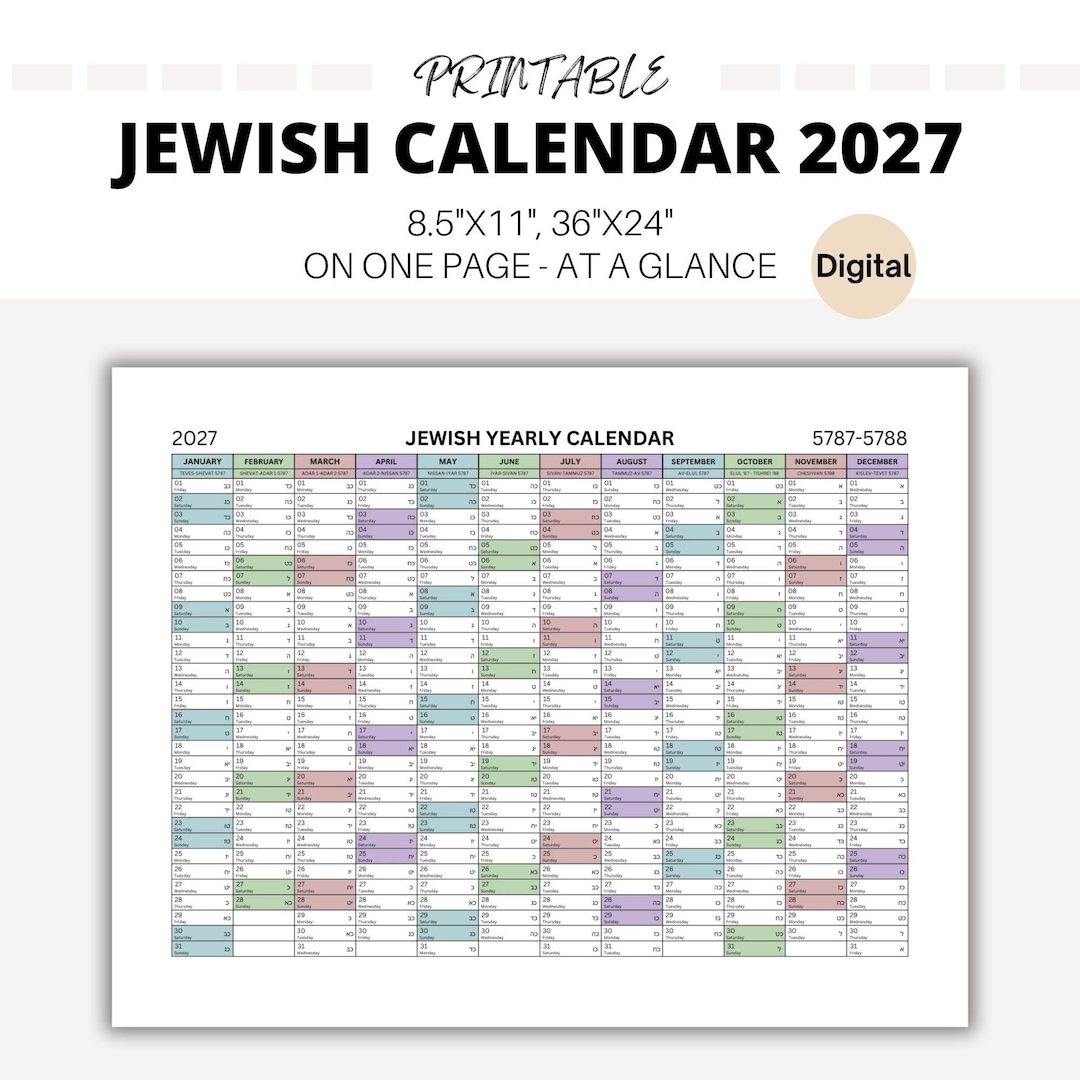
The Structure of the Jewish Year 5787: Months and Leap Years
The Jewish calendar isn’t your average calendar. It’s designed to marry the moon’s phases with the sun’s journey around the earth. In 2027, the Hebrew year 5787 starts at Rosh Hashanah, which falls on the evening of September 15, 2026, and wraps up around early October 2027.
Here’s the kicker: 5787 is a regular year, not a leap one. That means it contains 12 months rather than 13. No extra month of Adar this time around.
The 12 Months of 5787
- Tishrei (starting with Rosh Hashanah)
- Cheshvan
- Kislev
- Tevet
- Shevat
- Adar
- Nisan
- Iyar
- Sivan
- Tammuz
- Av
- Elul
Each month either has 29 or 30 days, following the lunar cycle. This careful calibration means holidays can “jump” around in relation to the Gregorian calendar.
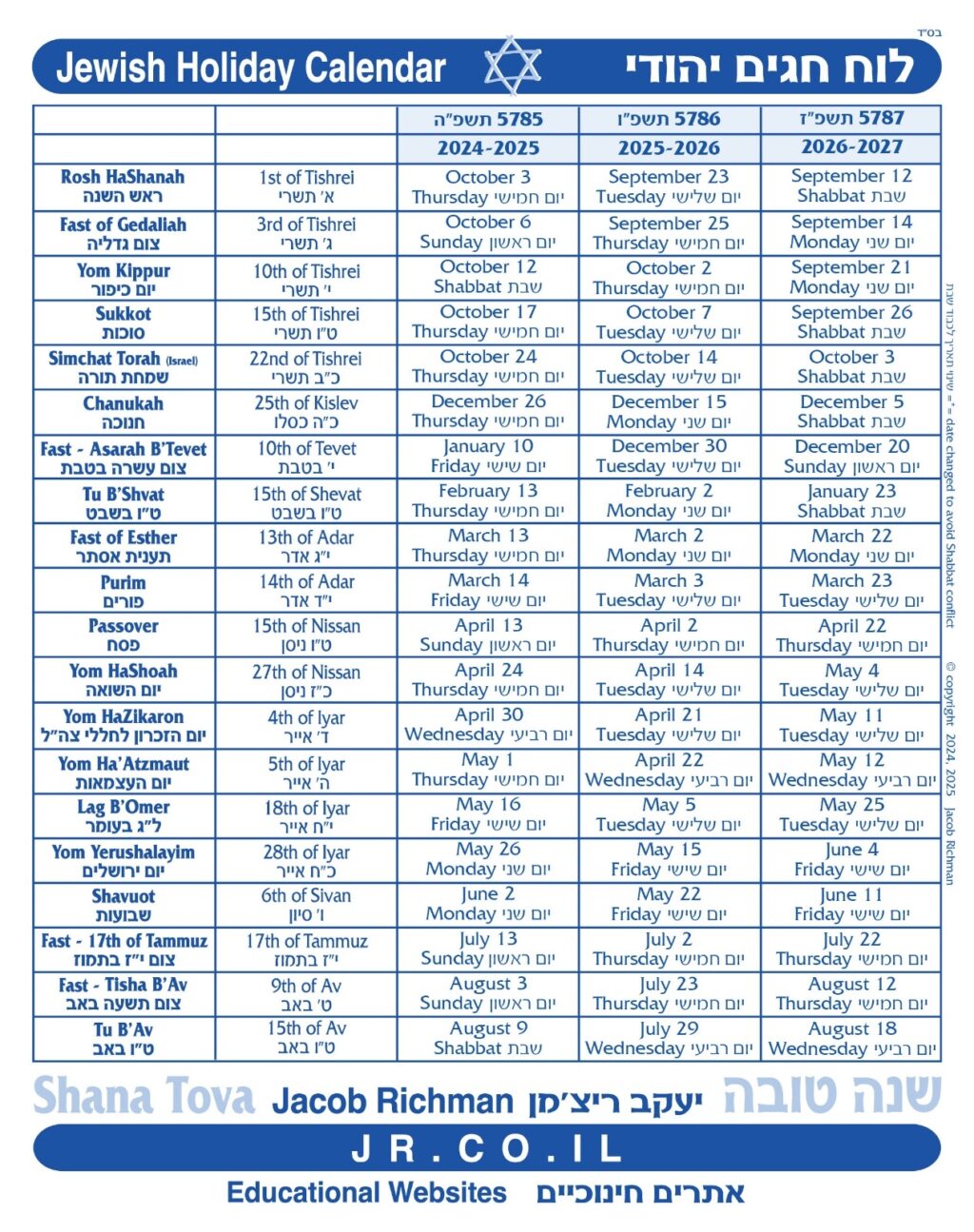
Key Jewish Holidays and Observances in 2027
If you’re planning your year around the Jewish calendar, 5787 promises the usual lineup—but with some interesting date shifts worth noting.
Rosh Hashanah 5787
Kicking off on the evening of September 15, 2026, Rosh Hashanah marks the Jewish New Year. It’s a two-day event filled with reflection and symbolic foods. This year, it falls conveniently on a Thursday and Friday, giving many a long weekend to prepare.
Yom Kippur
The holiest day of the year, Yom Kippur, lands on September 24, 2026. Known for its solemn fast and prayers, it’s the spiritual climax of the High Holy Days.
Passover Begins
Passover, the spring festival commemorating liberation from slavery, starts the evening of April 12, 2027. It lasts eight days, with the first and last days being especially significant.
Other Noteworthy Dates
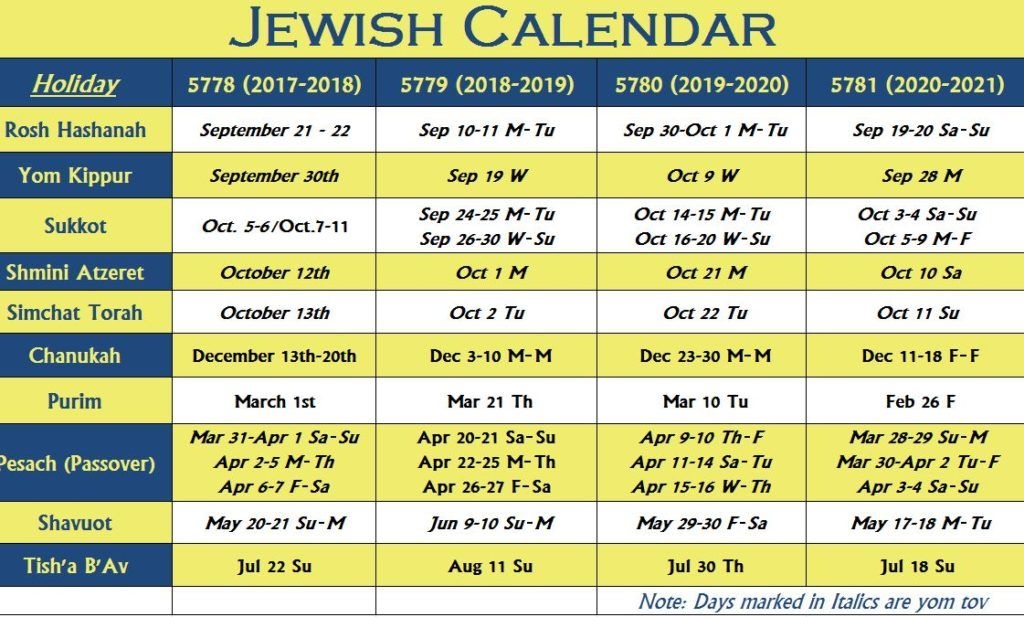
- Hanukkah: December 6–14, 2026
- Purim: March 9, 2027
- Shavuot: June 1–2, 2027
Why Does the Jewish Calendar Shift Every Year?
This isn’t just astrology mumbo jumbo. The Jewish year 5787’s differences from the Gregorian calendar come from its lunisolar nature. In simple terms: the calendar tries to keep months aligned with moon cycles and years aligned with the sun’s position.
Imagine trying to fit round pegs (months) into a square hole (solar year). Sometimes you need to add an extra peg (a leap month) to fill the gap — but not in 5787. That’s why holidays don’t fall on the same Gregorian dates each year.
In real-world testing (like planning a community event), these shifts mean you can’t rely on last year’s dates. I once scheduled a festival for what I thought was the same date—and ended up with an empty hall because the holiday had moved a week earlier. Lesson learned: always check the Hebrew calendar anew.
Quick Facts About the Jewish Year 5787
- Hebrew year 5787 corresponds mostly to Gregorian 2026–2027.
- No leap month in 5787; 12 lunar months total.
- Rosh Hashanah 5787 begins on Sept 15, 2026, at sundown.
- Passover starts April 12, 2027, evening.
- Hanukkah overlaps end of 2026 into early 2027.
Frequently Asked Questions
Why does the Jewish calendar year 5787 start in 2026?
Because the Jewish calendar counts years from the traditional date of Creation. Since it’s lunisolar, the Hebrew year overlaps two Gregorian years. 5787 starts in September 2026 and ends in September 2027.
What is the significance of Rosh Hashanah in 5787?
Rosh Hashanah in 5787 initiates the year’s spiritual cycle. It’s when Jews reflect on the past year and seek forgiveness, setting the tone for the High Holy Days.
How can I keep track of Jewish holidays in 2027?
The best way is with a reliable Jewish calendar app or printed calendar that marks holidays according to the Hebrew dates. Remember, Gregorian dates shift each year.
In sum, the 5787 Jewish calendar offers a fascinating dance between moon phases and solar timing, anchoring centuries of tradition in an ever-moving framework. It’s like juggling balls in midair—except those balls are time itself.

Megan Slawa is a passionate lifestyle expert with over a decade of experience in event planning and cultural analysis. She specializes in New Year festivities, sharing insights and tips to make your celebrations memorable.