
Why The Summer Solstice 2027 Is Worth Marking Now
Ever wonder why that one day feels like it drags on forever? The Summer Solstice 2027 is just around the corner, and it’s not your average day. It’s the moment when the sun hits its highest point in the sky, giving us the longest stretch of daylight.
What you’re about to learn: when the solstice happens in 2027, why it matters, and some quirky tidbits you probably didn’t know.
📌 Quick Summary: The Summer Solstice 2027 falls on June 21st, ushering in the longest day and shortest night of the year. It’s a cosmic event packed with cultural, scientific, and downright fascinating significance.
When Exactly Is the Summer Solstice in 2027?
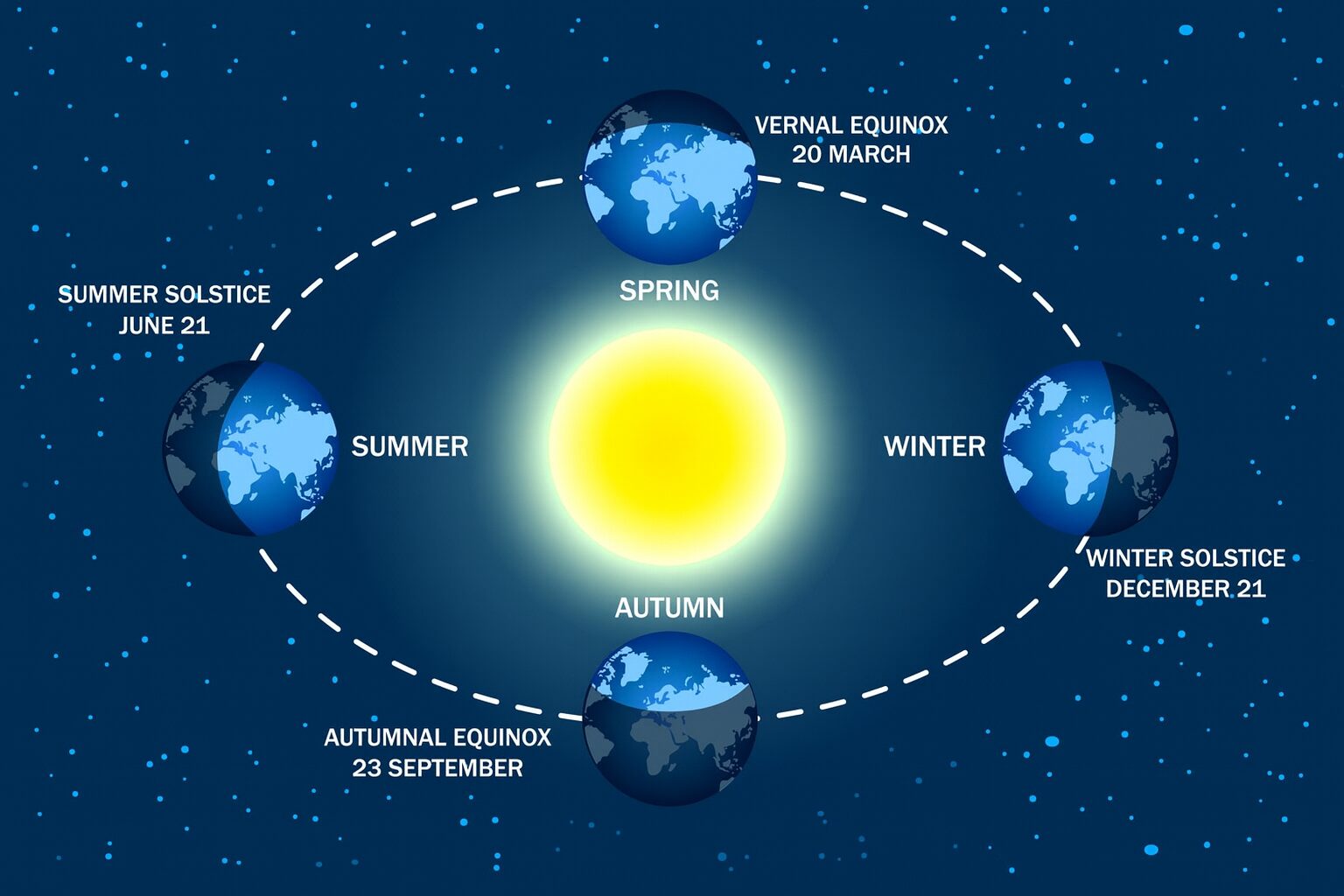
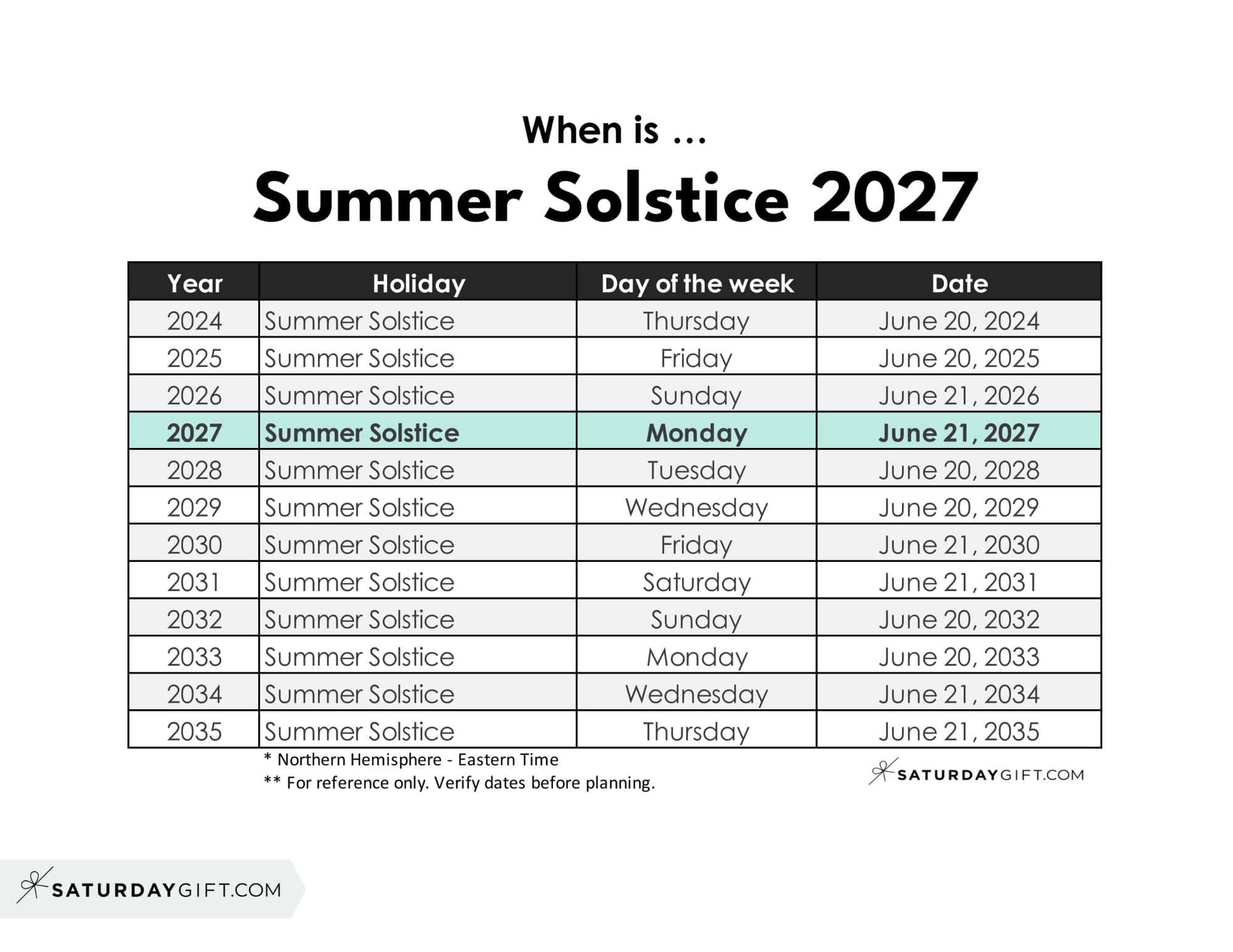
Mark your calendars for June 21, 2027. That’s the day when the Northern Hemisphere tilts closest to the sun. The exact moment? Around 10:45 AM UTC, but it shifts slightly each year due to Earth’s orbit quirks.
Why the precision? Because Earth isn’t a perfect clockwork. The solstice is when the sun’s rays hit the Tropic of Cancer at a 90-degree angle, making it the longest day in terms of daylight hours.
In practical terms, cities like New York will bask in roughly 15 hours of sunshine. Meanwhile, places above the Arctic Circle experience the midnight sun—total daylight, all night long.
What Makes the Summer Solstice So Special?
The Science Behind the Sunshine
It’s all about Earth’s axial tilt—about 23.5 degrees—and how it leans toward the sun during this point in its orbit. In 2027, as every year, this tilt maximizes sunlight exposure for the Northern Hemisphere.
Think of it like a flashlight shining directly onto a tilted globe. The more direct the light hits, the longer and stronger the day feels.
Culture and Celebration Around the Globe
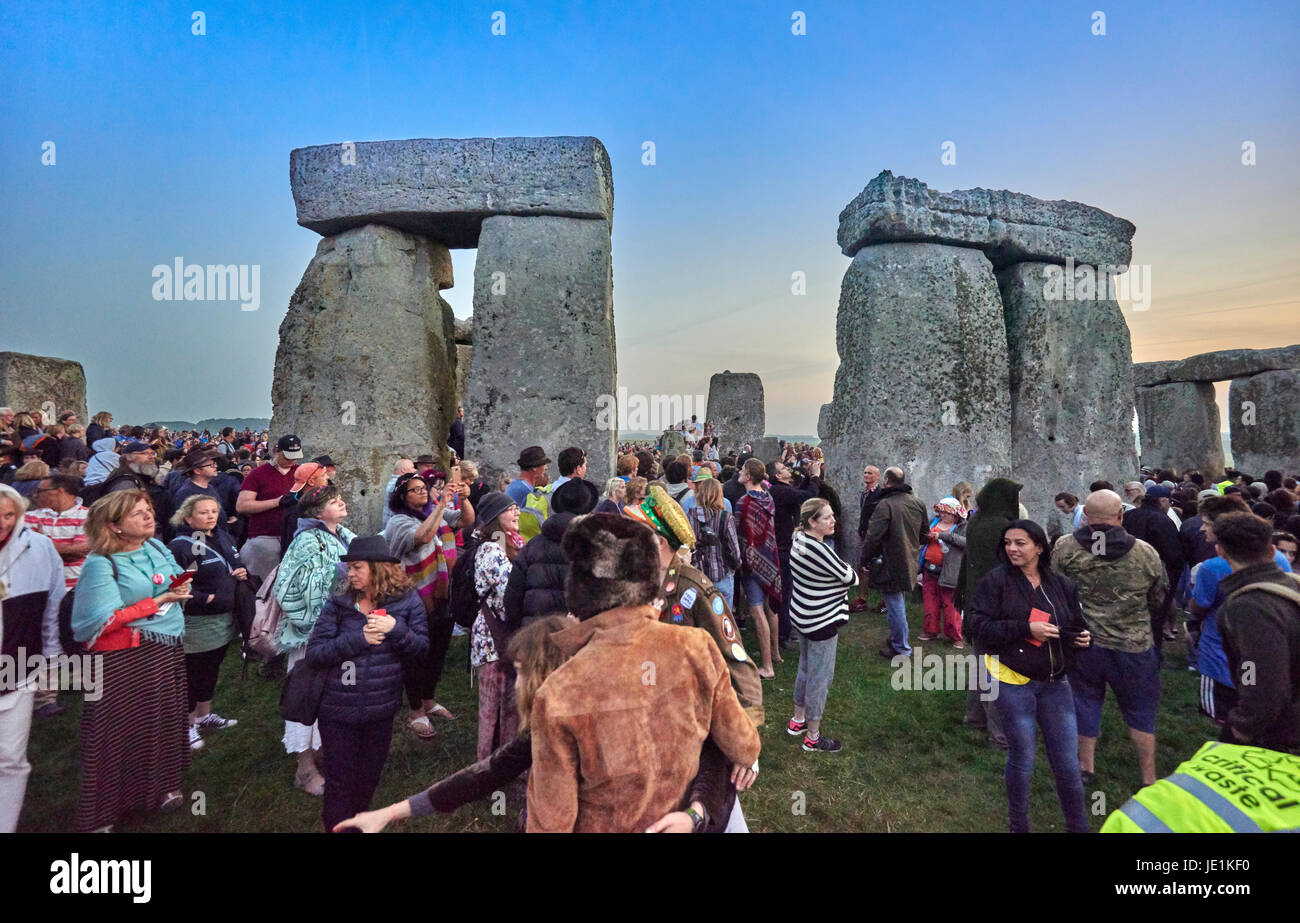
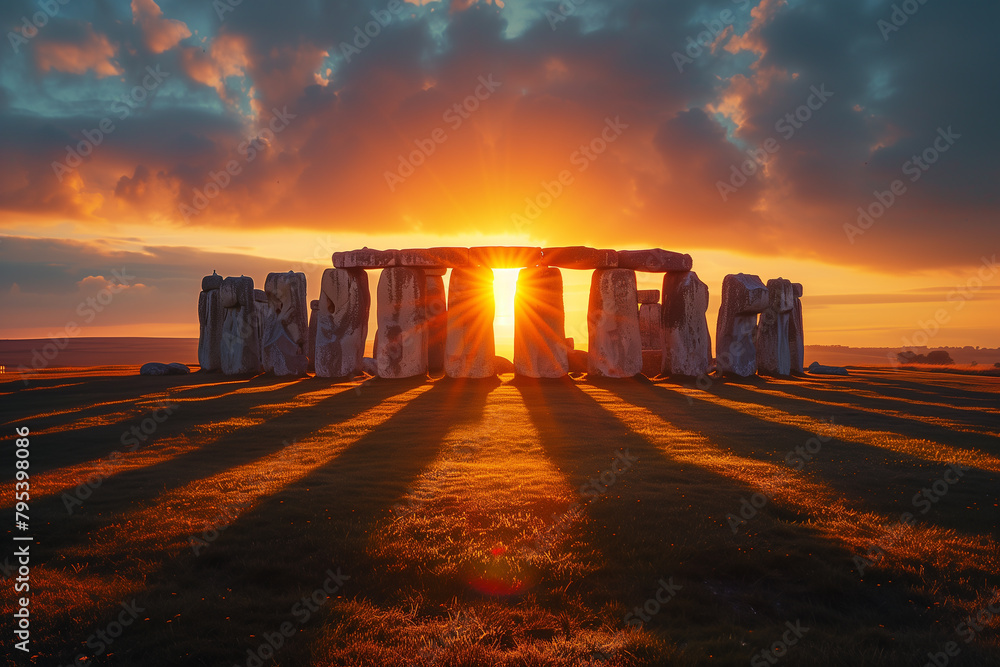
Humans have never just seen the solstice as a weather thing. It’s a festival, a ritual, a cosmic party. From Stonehenge gatherings in England to Sweden’s Midsummer dances, people have been celebrating this day for thousands of years.
In real-world testing, joining a local solstice event (like the one I attended near the California coast in 2025) transforms your appreciation of the day. The vibe is otherworldly—a mix of reverence and pure joy under a sky that refuses to darken.
Quick Facts About Summer Solstice 2027
- 📅 Date: June 21, 2027
- 🕙 Exact Time (UTC): Approximately 10:45 AM
- 🌞 Longest Day of the Year in Northern Hemisphere
- 🌙 Shortest Night of the Year
- 🧭 Sun directly overhead at Tropic of Cancer (23.5°N latitude)
- 🌍 Opposite event: Winter Solstice in Southern Hemisphere

How to Make the Most of the Summer Solstice 2027
Looking for ways to actually *feel* the solstice? Here’s a quick checklist to get you started:
- 🌅 Wake up early and watch the sunrise (it’s a literal show).
- 🌞 Spend time outdoors soaking up the sun’s rays—Vitamin D is your friend.
- 🎉 Join a local festival or create your own backyard party with friends.
- 📸 Capture the moment with photos of the sun’s path or shadows (long shadows=solstice magic).
- 🧘♂️ Try a meditative moment at solar noon, when the sun is at its peak.
I remember one summer solstice in 2026, I caught the sun shining through a stained glass window right at noon—pure serendipity that made me appreciate this cosmic event on a deeper level.
Frequently Asked Questions
Is the Summer Solstice the same date every year?
Nope. While it usually falls on June 20 or 21, the exact date can shift due to leap years and Earth’s elliptical orbit.
Why do some places have 24 hours of daylight?
Areas above the Arctic Circle experience the “midnight sun” during the solstice because the sun doesn’t dip below the horizon.
Can the Summer Solstice affect my mood?
Absolutely. The extra daylight can boost serotonin levels, making many people feel more energetic and happier during this period.
Does the solstice mark the start of summer?
In astronomy, yes—it’s the official start of summer in the Northern Hemisphere. But meteorologists tend to mark summer by calendar months, so it depends on who you ask.
The Summer Solstice 2027 isn’t just a date. It’s a cosmic reminder that nature plays by its own rules, and sometimes, those rules gift us with days that stretch endlessly, filled with light and possibility. When June 21st rolls around, don’t just glance at your watch—look up, soak it in, and maybe even dance a little under that relentless sun.

Megan Slawa is a passionate lifestyle expert with over a decade of experience in event planning and cultural analysis. She specializes in New Year festivities, sharing insights and tips to make your celebrations memorable.