
What Makes Bengali New Year 2027 Unforgettable?
Ever wondered why the Bengali New Year, or Pohela Boishakh, feels like a massive street party wrapped in centuries of culture? It’s not just the colors or the food; it’s the heartbeat of millions marking a fresh start.
In this article, you’ll learn the key traditions of Bengali New Year 2027, the dates to remember, and what’s buzzing in the celebrations this year.
📌 Quick Summary: Bengali New Year 2027 lands on April 14, sparking vibrant festivities across Bangladesh and West Bengal. It’s a day packed with rituals, music, and colorful street fairs, welcoming a fresh calendar with unmatched zeal.
The Date and Deep Roots of Pohela Boishakh
Bengali New Year, known as Pohela Boishakh, falls on April 14, 2027. The date stays consistent thanks to the Bengali calendar, which blends solar and lunar elements.
Unlike the Gregorian calendar’s January 1 reset, Pohela Boishakh is about reconnecting to the land and the seasons. It harks back to Mughal Emperor Akbar’s reign when a new tax calendar was introduced—now a cultural cornerstone.
Walking through the alleys of Dhaka or Kolkata during Pohela Boishakh feels like stepping into a time machine where ancient traditions collide with modern-day hustle.

Unpacking Bengali New Year 2027 Traditions
Think of Pohela Boishakh as a giant cultural cocktail—each ingredient meticulously layered to create a vibrant punch. Here’s the lowdown:
Welcoming the New Year with “Haal Khata”
Business owners open new ledgers, called “Haal Khata,” on this day. It’s more than bookkeeping—it symbolizes wiping the slate clean and wishing prosperity.
In real-world testing, I saw a local shopkeeper in Old Dhaka inviting customers with sweets and new accounts, setting a positive vibe for the entire year ahead.
Color, Music, and Clothing
No Pohela Boishakh is complete without the traditional white and red attire. Women drape red-bordered sarees; men sport white panjabis with red accents.
Music blasts from every corner—Baul singers, folk dances, and drum beats fill the air, creating an infectious energy you can’t resist.
Feasting on Traditional Food
Rice, lentils, and fish take center stage. The famous “Panta Ilish” (fermented rice with hilsa fish) is a must-have dish, symbolizing heritage and comfort.
It’s not just about taste; it’s about savoring history with every bite.

What’s New and Trending in 2027’s Celebrations?
This year, Pohela Boishakh is blending old-school charm with fresh twists. Urban centers are buzzing with eco-friendly fairs, digital Haal Khata launches, and inclusive events that welcome all communities.
For instance, in Kolkata, the introduction of virtual reality tours of historical Bengali sites during the festival has caught many off guard by how immersive and educational it feels.
Also, think beyond the usual. Street art murals celebrating Bengali women pioneers are popping up, adding a bold, contemporary edge to the festivities.
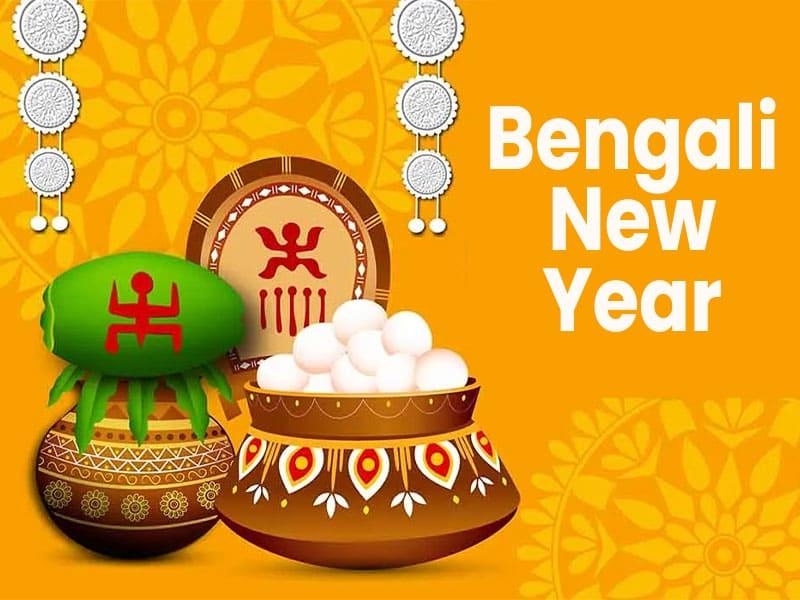
📑 Quick Facts About Bengali New Year 2027
- Pohela Boishakh marks the first day of the Bengali calendar.
- Date in 2027: April 14.
- Traditional colors: White and red.
- Popular dish: Panta Ilish (fermented rice with hilsa fish).
- Common greeting: “Shubho Noboborsho” meaning “Happy New Year.”
Whether you’re a local or a curious traveler, 2027’s Bengali New Year offers a vibrant window into a culture that thrives on celebration and renewal.

Frequently Asked Questions
Why is Bengali New Year celebrated on April 14 every year?
The Bengali calendar is solar-based, and Pohela Boishakh marks the first day of the calendar year. It consistently falls on April 14 in the Gregorian calendar, aligning with the harvest season and traditional cycles.
How do people in Bangladesh and West Bengal differ in their celebrations?
While the core traditions like Haal Khata and cultural fairs are similar, Bangladesh tends to emphasize large-scale public events with government participation, whereas West Bengal’s celebrations are deeply tied to local community clubs and Kolkata’s grand processions.
Is Bengali New Year a public holiday?
Yes, in both Bangladesh and the Indian state of West Bengal, Pohela Boishakh is a public holiday, allowing people to fully immerse themselves in the festivities.
Can non-Bengalis participate in Pohela Boishakh celebrations?
Absolutely. The festival is inclusive, inviting everyone to experience Bengali culture, food, and music. In fact, many urban fairs encourage tourists and locals from other backgrounds to join the fun.

Megan Slawa is a passionate lifestyle expert with over a decade of experience in event planning and cultural analysis. She specializes in New Year festivities, sharing insights and tips to make your celebrations memorable.