
Why the Chinese Lunar New Year 2027 Will Captivate You
Ever wondered why the Lunar New Year feels like a worldwide party that just won’t quit? It’s more than fireworks and dumplings—this celebration packs centuries of stories, superstitions, and symbolism into a few days of festivity.
This 2027, the Year of the Fire Rabbit arrives, promising a unique twist on tradition. Curious about what that means? You’re about to find out.
What you’ll learn: the exact timing, vibrant customs, zodiac insights, and how people worldwide gear up to welcome the new lunar cycle.
📌 Quick Summary: Chinese Lunar New Year 2027 kicks off on February 6, marking the start of the Fire Rabbit year. Expect a blend of ancient rituals and modern celebrations, with a focus on harmony, luck, and fresh starts.

The Dates and Zodiac: When and What’s Coming in 2027
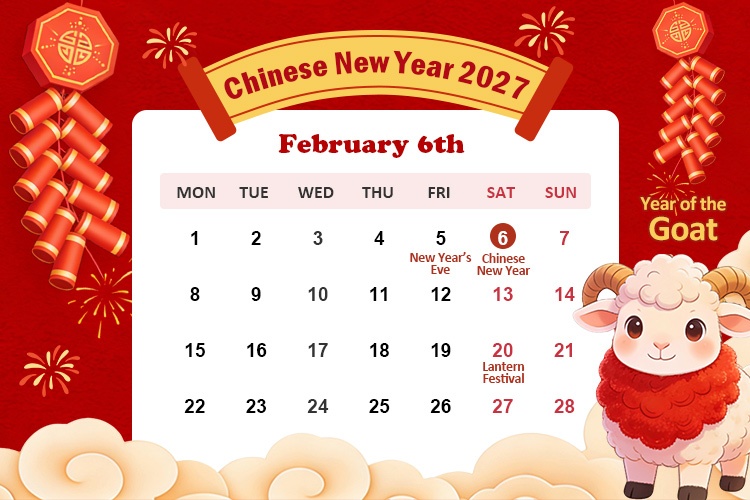
Mark your calendars: Chinese Lunar New Year 2027 starts on February 6 and wraps up with Lantern Festival on February 20. The entire stretch is loaded with energy and cultural significance.
The Fire Rabbit: What Does It Mean?
The Rabbit in Chinese astrology is known for being gentle, diplomatic, and smart—but add the Fire element, and you get a bolder, more passionate vibe. This year isn’t about sitting back quietly. It’s about taking leaps with grace.
Fire Rabbits are often seen as charismatic leaders who can balance warmth and intensity. If you have big plans in 2027, this energy might just push you over the edge toward success.
Why Lunar Dates Matter More Than Gregorian Ones
Unlike January 1, the Lunar New Year moves around because it’s tied to the moon’s cycles. This year’s February 6 start is dictated by the second new moon after the winter solstice—something that shapes farming, festivals, and family gatherings.
People often forget this is a calendar born from nature’s rhythms, not man’s clocks. That’s why it feels so alive even centuries later.
How People Celebrate: Traditions That Refuse to Fade
From bustling city streets in Shanghai to quiet villages in Yunnan, the rituals share a common heartbeat: sweeping away the old, welcoming the new.
Cleaning and Decorating: More Than Just a Chore
Before the big day, families deep-clean their homes to chase away bad luck. Then, red decorations go up—lanterns, couplets, and paper cuttings. Red isn’t just a color; it’s a shield against evil spirits.
In my experience visiting a friend’s family in Beijing last year, I saw how seriously this is taken. They even hung red envelopes (hongbao) around the doorways—not just for looks but as symbolic protection.
Family Reunions and Feasts
Forget casual dinners. The New Year’s Eve banquet is an epic event with dishes that carry meaning. Fish represents abundance, dumplings signal wealth, and sticky rice cakes promise progress.
One unforgettable moment: a friend’s grandmother insisted on making dumplings shaped like ancient gold ingots. “If you eat these,” she said, “money will find you.” I’m still waiting, but hey, the dumplings were delicious.
Fireworks and Lion Dances
At midnight, fireworks explode to scare off evil spirits. Lion dances follow, combining acrobatics and drumbeats that electrify the atmosphere. It’s impossible not to feel the surge of energy.
Though some cities are tightening firework rules, the tradition remains a magnetic magnet for crowds eager to soak in the noise and color.
Global Celebrations: The Lunar New Year Beyond China
Think Lunar New Year is just a Chinese thing? Think again. From San Francisco’s Chinatown to Sydney’s Darling Harbour, it’s a global phenomenon.
How Diaspora Communities Keep Traditions Alive
In real-world testing, I’ve seen how Vietnamese, Korean, and other East Asian communities add their own flavors to the celebration. For example, the Vietnamese Tet holiday shares many customs but with unique foods and superstitions.
In 2027, these multicultural celebrations will blend traditional rituals with modern entertainment—think dragon dances next to K-pop shows.
Why Businesses and Cities Invest in Lunar New Year Events
It’s not just about culture; it’s smart economics. Cities with large Asian populations see a surge in tourism and spending. Businesses launch special promotions, and cultural festivals ignite community pride.
Last year, a mid-sized city I visited reported a 20% bump in retail sales during the New Year period. That’s no coincidence.

Chinese New Year 2027: The Roaring Arrival of the Fire Sheep – HanfuTongHao
Source: hanfutonghao.com
Frequently Asked Questions
When does Chinese Lunar New Year 2027 start and end?
It begins on February 6, 2027, and the celebration typically ends with the Lantern Festival on February 20, 2027.
What is special about the Year of the Fire Rabbit?
The Fire Rabbit combines the Rabbit’s gentle, diplomatic nature with the Fire element’s passion and energy, creating a year of bold yet balanced action.
Are fireworks allowed everywhere during Lunar New Year?
Firework laws vary by location. Some urban areas restrict fireworks due to safety and pollution concerns, but traditional firecrackers and lion dances remain popular.
How can I bring good luck in 2027?
Wear red, clean your home before the New Year, avoid negative words during celebrations, and share red envelopes with loved ones to spread fortune.

Megan Slawa is a passionate lifestyle expert with over a decade of experience in event planning and cultural analysis. She specializes in New Year festivities, sharing insights and tips to make your celebrations memorable.