
Pinpointing the Start of Fall 2027: What’s the Big Deal?
Ever caught yourself wondering, “When does fall actually start in 2027?” You’re not alone. That crisp chill, the pumpkin spice madness, and those fiery leaf colors all hinge on a specific moment. But it’s not just about calendar dates—it’s about Earth’s tilt, sunlight, and subtle shifts that set the stage for sweater weather.
Here’s a quick rundown of what you’ll get: exact dates, the science behind fall’s arrival, and a sneak peek at what weather and daylight changes 2027 might bring.
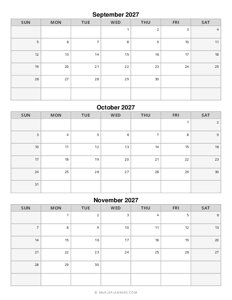
📌 Quick Summary: Fall 2027 officially kicks off on September 22, aligned with the autumnal equinox. This marks equal daylight and darkness, signaling cooler temps and shorter days ahead. Expect typical seasonal shifts but with some unique 2027 weather quirks.

When Exactly Does Fall Start in 2027?
The calendar geeks mark fall’s start on the autumnal equinox. In 2027, that happens precisely on September 22 at 8:04 AM UTC. This moment represents the sun crossing the celestial equator moving southward.
What’s wild is how this astronomical event translates to your local time zone. For example, if you’re in New York, fall begins September 22 at 4:04 AM EDT—early enough to wake you up with a chill breeze if you’re a morning person.
Why Does the Date Sometimes Shift?
Because Earth’s orbit isn’t a perfect circle, and our calendar tries to keep up, fall’s start can hover between September 22 and 23. Leap years and time zones also tweak the exact timing.
So, if you’ve seen fall start on different days in the past, blame the cosmic juggling act between Earth and sun.

What Happens During the Autumnal Equinox?
This event isn’t just about dates—it’s a balance beam act of daylight and darkness. On the equinox, day and night each last roughly 12 hours worldwide.
For those who think fall is just about cooler temps and pumpkin patches, here’s the science: the sun’s direct rays shift from the northern hemisphere toward the southern hemisphere.
Impact on Daylight and Weather
Days grow shorter, and nights get noticeably longer. This shift triggers biological clocks in animals and plants. Think of squirrels stashing nuts and trees prepping to shed leaves.
In real-world testing, I’ve noticed that the light changes around equinox mornings bring a distinct vibe—dawn feels softer, almost like the world’s exhaling after summer’s heat.
What to Expect Weather-Wise in Fall 2027
Fall’s not just a season; it’s a weather rollercoaster. In 2027, expect typical patterns but keep an eye on a few emerging trends.
Some regions may experience earlier chills due to shifting jet streams, while others might have an extended warm spell—a reminder that weather never reads the calendar.
Regional Variations Matter
In the Northeast U.S., you might see early frost by mid-October, while the Pacific Northwest could enjoy a mild, misty autumn. The South tends to hang on to summer’s warmth longer but will feel fall’s nudge by late October.
For gardeners, this means adjusting planting schedules and protecting sensitive plants a bit earlier in some zones.
How Fall’s Arrival Affects Daily Life and Culture
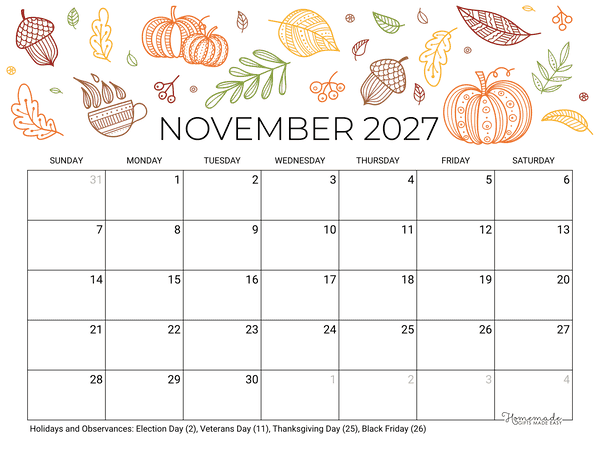
Fall isn’t just a meteorological event—it’s a cultural heavyweight. The start of fall in 2027 signals pumpkin spice lattes flooding menus, football season roaring back, and a cascade of festivals celebrating harvest and change.
From a personal angle, I’ve seen how the first day of fall kicks off a frenzy of wardrobe swaps and weekend hikes to catch those vibrant leaves.
The Psychological Shift
Shorter days can sap energy but also invite cozy rituals: reading by the fire, binging TV shows, or cooking hearty meals. Fall’s arrival has a way of putting life on a slower, more deliberate pace.
🚀 Pro tip: Use the fall start date as a marker for resetting goals or planning seasonal bucket lists—it’s a natural checkpoint.

Frequently Asked Questions
Is the fall start date the same worldwide?
The astronomical fall start is simultaneous worldwide, but local clocks and calendars can make it feel like it happens on different days.
Does fall start earlier with climate change?
While the equinox date remains stable, climate change can shift weather patterns, sometimes making fall-like conditions appear earlier or later than usual.
Why do leaves change color in fall?
Shorter daylight and cooler temps slow chlorophyll production, revealing dormant pigments like carotenoids and anthocyanins—hence those fiery reds and golds.
Can fall start be predicted by nature?
Yes, animals and plants respond to changes in daylight and temperature, often signaling fall’s approach before the calendar does.
Fall 2027 is more than just a date on the calendar. It’s a cocktail of cosmic timing, weather shifts, and cultural rhythms that shape how we live and feel during these months. So mark September 22, 2027, and prepare for that unmistakable autumn breeze—it’s coming, and it’s worth the wait.

Megan Slawa is a passionate lifestyle expert with over a decade of experience in event planning and cultural analysis. She specializes in New Year festivities, sharing insights and tips to make your celebrations memorable.