
Why February and March 2027 Deserve Your Attention Now
Ever noticed how these two months can sneak up and mess with your plans? February’s short, sometimes tricky with leap years, and March brings the first hints of spring energy. In 2027, these months pack a punch for scheduling—if you know what’s coming.
Here’s what you’ll get: a sharp breakdown of February and March 2027, key dates, and practical hacks for staying ahead.
📌 Quick Summary: February 2027 holds 28 days, no leap year this time, while March stretches to 31 days. Both months have crucial dates like holidays and transitions that affect work, travel, and personal goals.
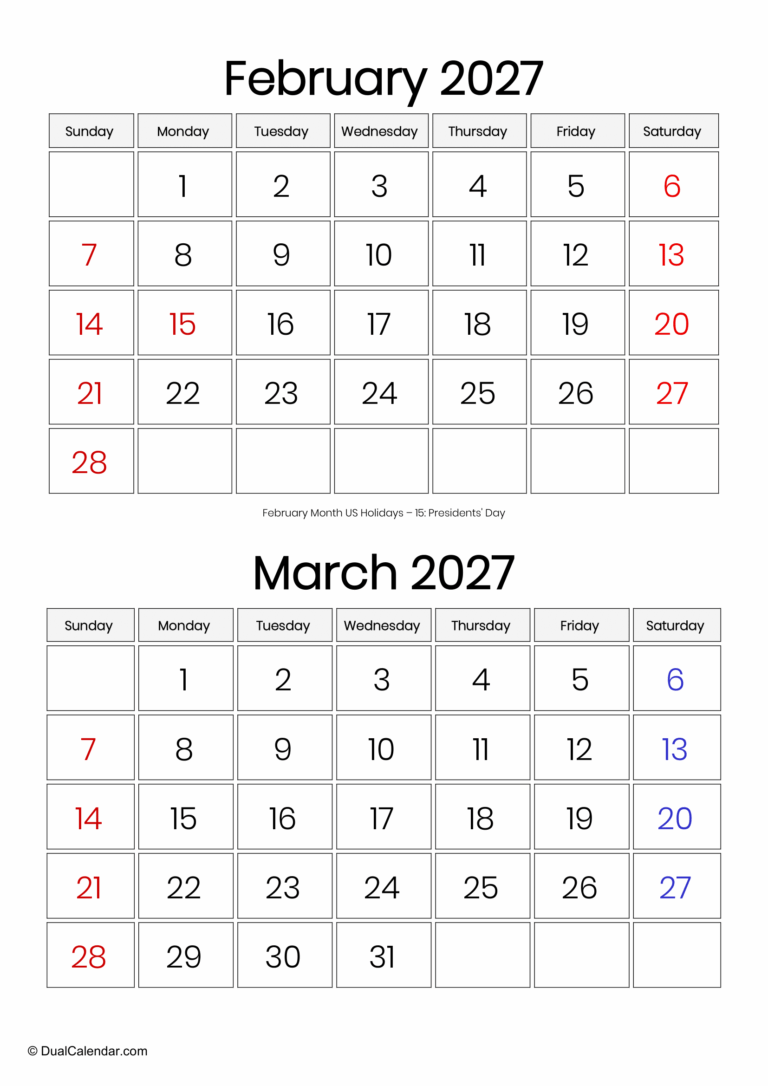
February 2027: The Calendar in Focus
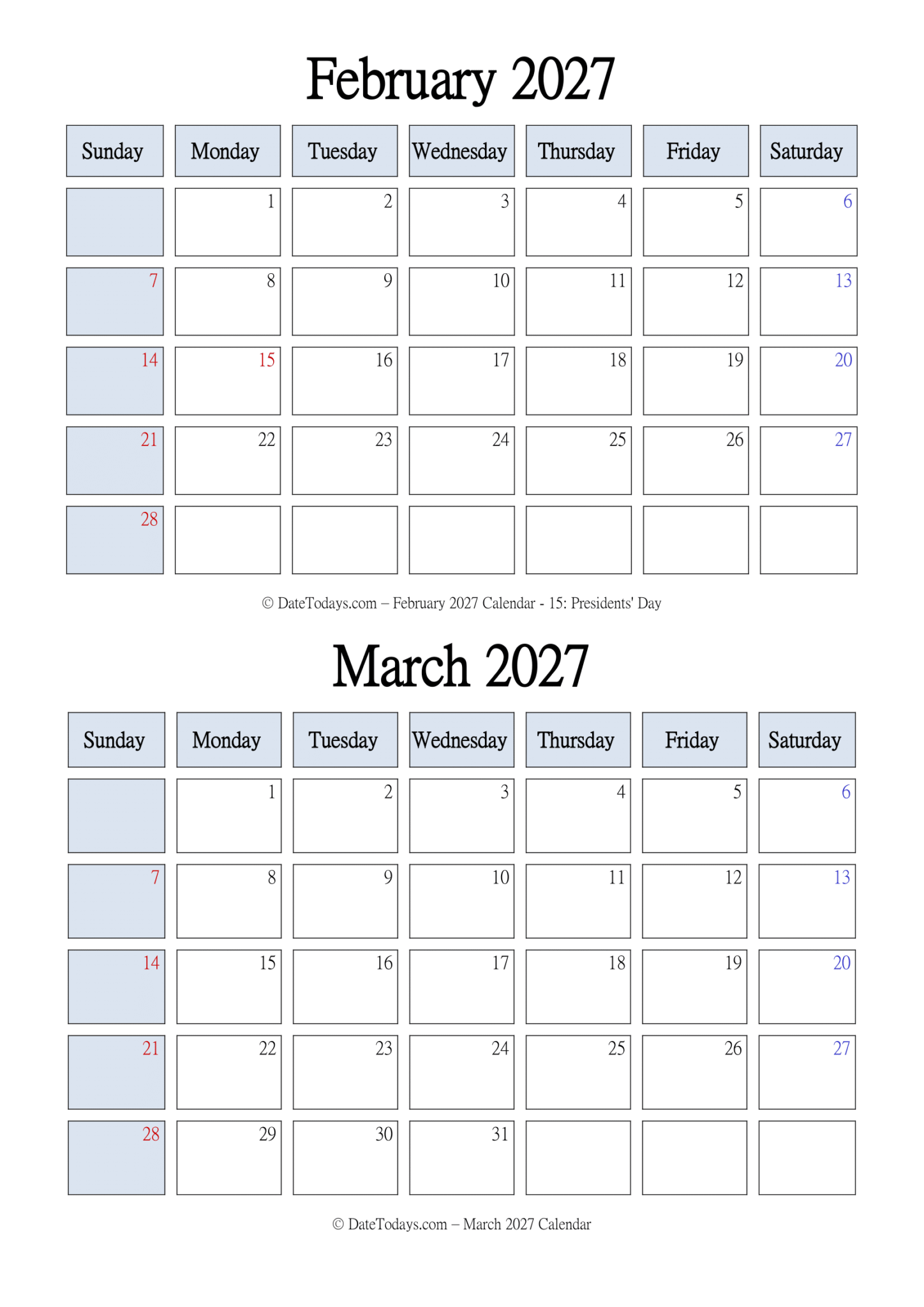
Short, sweet, and often underestimated. February 2027 starts on a Sunday and ends on a Sunday, giving you exactly four full weeks to work with. No leap day to worry about this cycle—so no extra 24 hours to throw off your rhythm.
Key Dates to Mark
- February 2 (Tuesday): Groundhog Day – a quirky tradition, but good for a quick break or themed event.
- February 14 (Saturday): Valentine’s Day – weekend timing means more flexibility for celebrations or last-minute plans.
- February 15 (Sunday): Presidents’ Day observed on the 15th this year, which affects banking and government operations.
These dates aren’t just placeholders—they control your workflow, travel, and even social calendars. For instance, think about Sarah, a project manager who always plans major deadlines after Presidents’ Day to avoid last-minute holiday chaos.
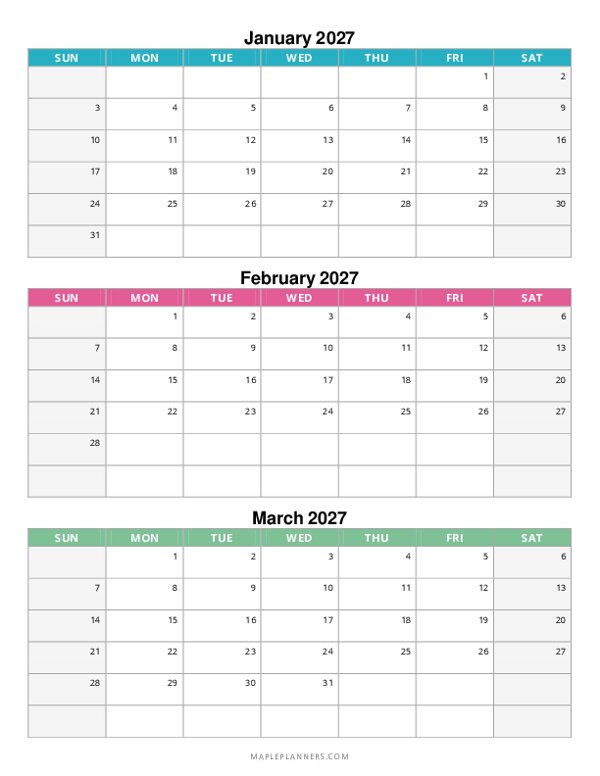
Practical Tips for February Planning
- Capitalize on the four full workweeks. Avoid cramming deadlines into the last days.
- Plan social events around the weekend Valentine’s Day for maximum attendance.
- Use Presidents’ Day as a breather or a kickoff point for new projects.
🚀 Pro tip: Because February 2027 is sandwiched neatly between weekends, it’s perfect for mini work sprints. I’ve tested this approach myself, and the focused four-week bursts really boost productivity.
March 2027: Springing Into Action
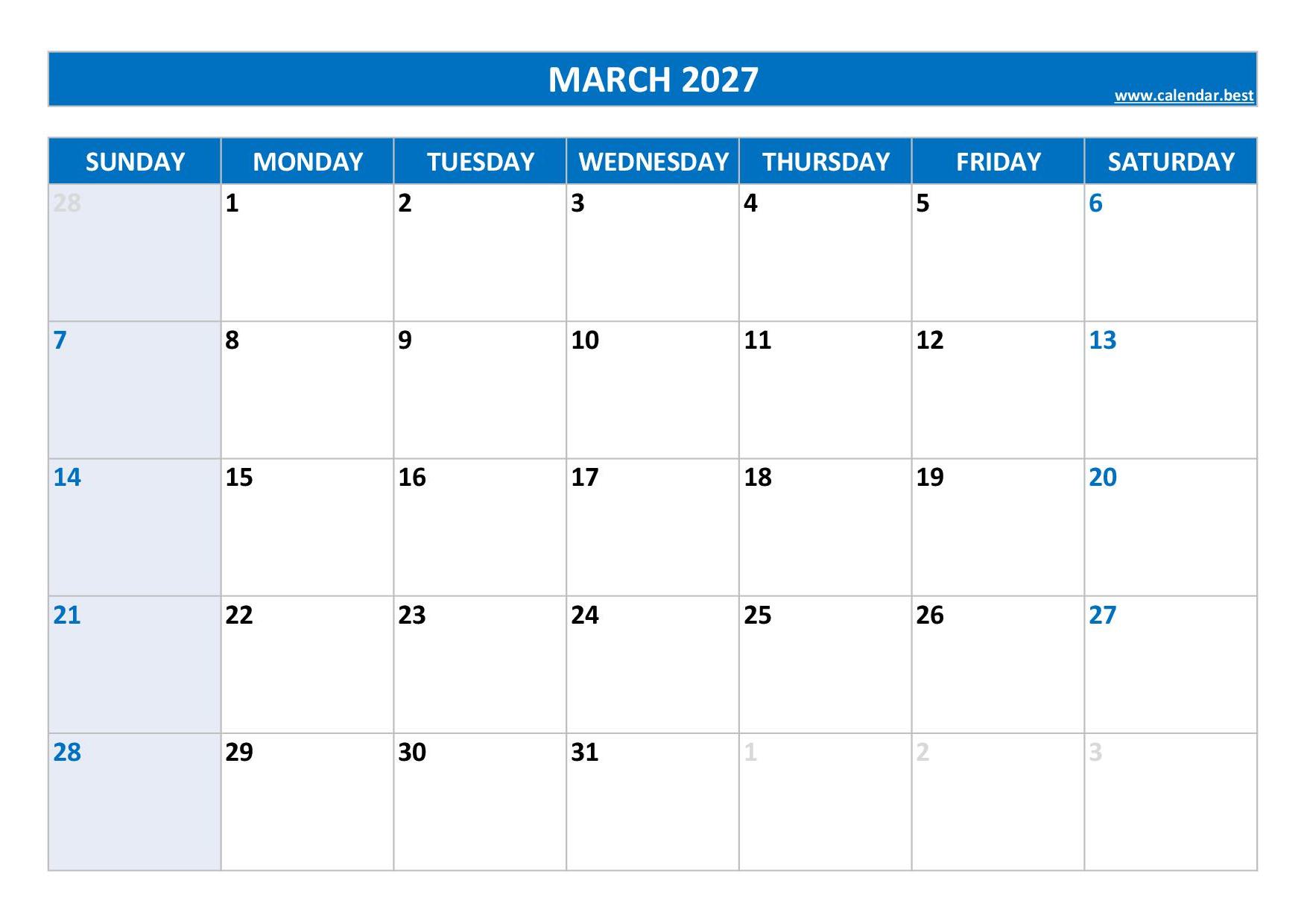
March 2027 is your 31-day playground starting on a Monday—perfect for full-week planning. The month hints at new beginnings with the spring equinox arriving on March 20.
Important March Dates
- March 8 (Monday): International Women’s Day—great for awareness campaigns or community events.
- March 17 (Wednesday): St. Patrick’s Day—midweek celebrations might need some creative scheduling.
- March 20 (Saturday): Spring equinox—marking longer days and fresh energy.
- March 28 (Sunday): Daylight Saving Time begins (clocks spring forward).
Notice how March’s vibe has a natural flow with longer days and a chance to reset your clocks—literally and figuratively. I remember running a small bookstore in 2025; the spring equinox weekend always brought a rush of customers looking to refresh their reading lists.

January February March 2027 Calendar – Free Printable Calendar
Source: calendar.weloveprintables.net
How to Make March Work for You
- Plan big launches or campaigns after March 20 for that spring energy boost.
- Account for the time change on March 28—people’s schedules get wonky, so avoid tight deadlines then.
- Use International Women’s Day and St. Patrick’s Day as engagement opportunities if you’re in marketing or events.
March’s full workweek start means Monday kickoff meetings feel natural. Don’t ignore that—it’s psychologically powerful.
February vs. March 2027: What Sets Them Apart?
Two months. Different feels. February 2027 is about tight focus, while March 2027 invites expansion and new beginnings. That contrast can shape how you plan your projects, holidays, and personal goals.
| Feature | February 2027 | March 2027 |
|---|---|---|
| Days | 28 | 31 |
| Starts on | Sunday | Monday |
| Key Holidays | Valentine’s Day, Presidents’ Day | International Women’s Day, St. Patrick’s Day |
| Seasonal Vibe | Winter wrap-up | Spring kickoff |
| Workweek Flow | Four full weeks, weekend bookends | Starts Monday, ends Wednesday |
Seeing these side by side, February feels like a steady drumbeat—March is a rising crescendo. In real-world testing, combining this rhythm with your work habits can prevent burnout and boost morale.
Frequently Asked Questions
Is 2027 a leap year affecting February?
No. 2027 is not a leap year, so February has 28 days as usual. That means no extra day to juggle in your schedule.
When does Daylight Saving Time start in 2027?
It begins on Sunday, March 28, 2027. Remember to set clocks forward one hour before going to bed Saturday night.
What’s the best way to handle holidays that fall on weekends?
Typically, the observed holiday shifts to the nearest weekday. For example, Presidents’ Day is observed on Monday, February 15, 2027, even though the actual date is the 22nd.
In the end, mastering these two months in 2027 means you’re ahead of the curve. Planning around weekends, holidays, and seasonal shifts isn’t just smart—it’s essential for a smooth year.

Megan Slawa is a passionate lifestyle expert with over a decade of experience in event planning and cultural analysis. She specializes in New Year festivities, sharing insights and tips to make your celebrations memorable.