
Why the Orthodox Calendar in 2027 Matters More Than You Think
Ever wondered why Orthodox Easter sometimes lands on a different Sunday than the one you see on your wall calendar? The 2027 Orthodox Calendar isn’t just some dusty relic—it’s a living guide for millions. It dictates everything from festive celebrations to rigorous fasting, blending tradition with a distinct rhythm that shakes up the standard Gregorian flow.
Today, you’ll get how the 2027 Orthodox Calendar shapes religious life, when the major feasts fall, and why it’s not just about dates—it’s about cultural identity and spiritual discipline.
📌 Quick Summary: The Orthodox Calendar 2027 is a complex, fascinating system based on the Julian calendar, marking key liturgical events like Easter on April 19. Understanding its dates and customs means tapping into centuries of tradition that still guide millions today.
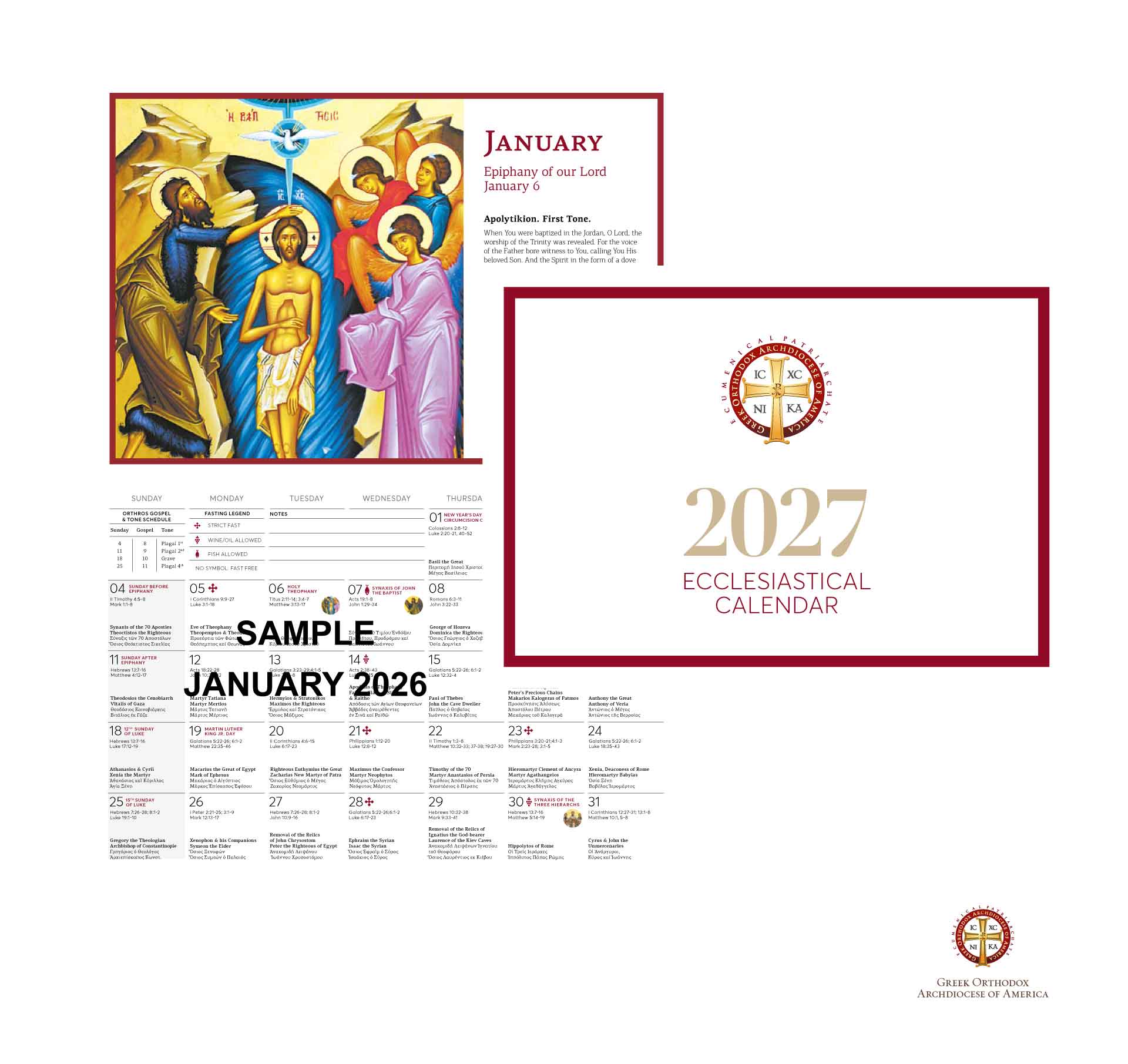
The Core of the Orthodox Calendar: What Makes 2027 Special?
First off, the Orthodox Church sticks to the Julian calendar for its liturgical dates, which runs 13 days behind the Gregorian calendar used worldwide. That’s why Christmas, for instance, lands on January 7 in the Gregorian calendar but December 25 in the Julian.
In 2027, Orthodox Easter (Pascha) falls on April 19 (Gregorian). This date is pivotal, setting the rhythm for the entire year’s liturgical cycle. It influences the timing of Lent, Pentecost, and other major feast days.
Key Dates to Circle in 2027
- January 7: Orthodox Christmas
- April 19: Easter Sunday (Pascha)
- June 7: Pentecost
- August 15: Dormition of the Theotokos
- November 21: Entrance of the Theotokos
This lineup isn’t random. It’s a spiritual roadmap, etched in tradition and observed strictly in Orthodox communities worldwide.

How Fasting Shapes the Rhythm of 2027
If you think fasting is just about skipping meals, think again. The Orthodox fasting periods are calendar anchors that demand discipline and reflection. In 2027, the Great Lent starts on March 1 and runs for 48 days until Easter on April 19.
But Great Lent isn’t the only fasting window. The Apostles’ Fast begins June 14 and lasts until June 28 (Pentecost). Meanwhile, the Dormition Fast runs from August 1 to August 14. Each fast has its own flavor and intensity.
What You Need to Know About These Fasts
- Great Lent: The most intense, preparing believers for Pascha through fasting, prayer, and almsgiving.
- Apostles’ Fast: Variable length, shorter, but equally significant for spiritual cleansing.
- Dormition Fast: A two-week fast honoring the Virgin Mary’s passing.
From personal experience, sticking to these fasts feels like training for a marathon. It’s tough but rewarding. You learn patience, and there’s a surprising sense of community when everyone around you is on the same page.
Calendar Ortodox Ianuarie 2027 | Sărbători și Posturi | Calendar …
Source: calendarulcrestinortodox.ro
Spotlight on 2027’s Unique Orthodox Feast Days
Every Orthodox feast day carries a story. In 2027, some stand out more because of their timing or cultural weight. The Feast of Theophany happens on January 19, marking Christ’s baptism. It’s a major water-blessing event—imagine whole riverside communities gathering for icy plunges and prayers.
Then there’s the Exaltation of the Holy Cross on September 27. It’s a solemn but uplifting day, reminding believers of sacrifice and hope.
Celebration Tips for 2027
- Mark your calendar early—Orthodox holidays don’t always align with public holidays.
- Join local church services to experience authentic rituals.
- Try traditional foods tied to specific feasts, like kutia for Christmas.
Attending these events in real life, I noticed how deeply rooted they are in local culture—like the Orthodox calendar is the heartbeat of entire communities.

⭐ Expert Insight: Why Orthodox Calendar Dates Matter Beyond Religion
As someone who’s covered religious traditions for over a decade, here’s the deal: The Orthodox Calendar isn’t just about faith. It’s a cultural compass. It shapes public holidays in countries like Greece, Russia, and Serbia, impacting everything from school schedules to business hours in 2027.
Plus, it preserves a distinct identity in a fast-paced, globalized world. When Orthodox communities adhere to these dates, they’re asserting history, heritage, and a worldview that’s stubbornly beautiful.
In 2027, understanding this calendar means understanding a different way of measuring time—one that’s cyclical, deeply symbolic, and profoundly human.

Serbian Orthodox Calendar – Printable Calendars AT A GLANCE – One For All
Source: tools.couchsurfing.com
Frequently Asked Questions
Why does Orthodox Easter fall on a different date in 2027?
Orthodox Easter is calculated using the Julian calendar and must fall after Jewish Passover, following the first full moon after the spring equinox. In 2027, this results in Easter being celebrated on April 19 (Gregorian), later than Western Easter.
Are all Orthodox churches using the same calendar in 2027?
No. Some Orthodox churches follow the Revised Julian calendar, aligning several fixed feasts with the Gregorian calendar, but Easter remains on the Julian calculation. This causes occasional date differences in celebrations.
Can non-Orthodox people observe these fasts or feasts?
Absolutely. Many find the fasting periods a great way to reset physically and mentally. Feasts offer rich cultural experiences too, even without religious affiliation. Just be prepared for some serious seafood-free days!
How can I keep track of the Orthodox Calendar for 2027?
Several printed and digital calendars are available from Orthodox communities. It’s best to get one tailored to your local church’s tradition, as dates can vary slightly.

Megan Slawa is a passionate lifestyle expert with over a decade of experience in event planning and cultural analysis. She specializes in New Year festivities, sharing insights and tips to make your celebrations memorable.