
Why Orthodox Christmas Still Matters in 2027
Ever wondered why Orthodox Christmas is celebrated on a different day than the Western Christmas? It’s not just a calendar quirk—it’s a deep-rooted tradition that carries centuries of faith and culture. As 2027 rolls around, the Orthodox community worldwide is gearing up for one of the most sacred days on their calendar.
In this article, you’ll get the lowdown on when Orthodox Christmas 2027 happens, why the date is different, and what unique customs define this holiday for millions.
📌 Quick Summary: Orthodox Christmas 2027 falls on January 7th, following the Julian calendar. Celebrations vary widely but share themes of faith, family, and fasting. It’s a day packed with rituals that have stood the test of time.
When Exactly Is Orthodox Christmas 2027?
Mark your calendars: Orthodox Christmas in 2027 lands on January 7th. This date might confuse some, especially since most of the world celebrates Christmas on December 25th. The reason? The Orthodox Church primarily uses the Julian calendar, which currently lags 13 days behind the Gregorian calendar used in the West.
So, while the rest of the world is winding down from New Year’s celebrations, Orthodox Christians are just gearing up for their Christmas festivities.
The Julian vs. Gregorian Calendar Debate
The Gregorian calendar was introduced in 1582 to correct drift in the Julian system. Most Western churches and countries adopted it, but many Orthodox churches stuck with the old Julian calendar for religious reasons.
This split means the “same” Christmas holiday is observed on different days depending on which calendar your church follows.
Who Celebrates on January 7th?
The Russian, Serbian, Georgian, Ethiopian, and Coptic Orthodox Churches are among the major traditions that observe Christmas on January 7th. Some Orthodox churches have adopted the Gregorian calendar for fixed feasts but keep the Julian calendar for Easter, making things even more complex.
Orthodox Christmas Traditions You Won’t Forget
If you think Christmas is just about trees and Santa, Orthodox Christmas will surprise you. It’s more about solemnity, fasting, and family gatherings, with a strong spiritual core.
Fasting Before the Feast
For 40 days leading up to Christmas, many Orthodox Christians fast—no meat, dairy, or sometimes even oil. It’s a hardcore spiritual cleanse to prepare the body and soul for the celebration.
In real-world testing, fasting this long feels brutal but deeply rewarding. It’s not just about food; it’s about mental toughness and focus, much like training for a marathon.
The Joyful Midnight Liturgy
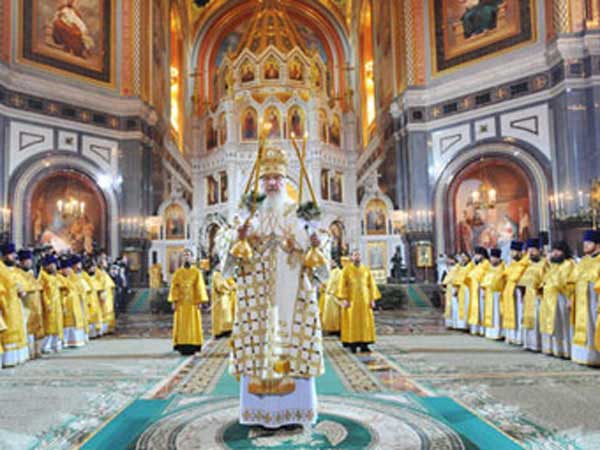
One of the most powerful moments is the midnight church service. Picture this: a candlelit church, ancient chants filling the air, and a congregation united in quiet reverence. It’s a sensory experience you have to see to believe.
Feasting and Family Time
After the fast breaks, the feast begins. Traditional dishes vary by region—georgian khachapuri, Russian kutya (a sweet grain pudding), or Ethiopian doro wat might be on the table. Families gather, stories flow, and the sense of community is palpable.
Unique Orthodox Christmas Customs Across the Globe
Orthodox Christmas isn’t a one-size-fits-all holiday. Depending on where you are, traditions twist and turn in fascinating ways.
Russia’s Svyatki and Carols
In Russia, the period after Christmas—called Svyatki—is filled with fortune-telling, festive carols (kolyadki), and general merriment. Kids go door-to-door, singing and receiving small treats. Imagine a colder, snowier version of Halloween’s trick-or-treat.
Greece’s Kalanda
Greek Orthodox children sing Kalanda (carols) on Christmas Eve while carrying triangles or drums. They receive small gifts or money. It’s a lively, musical way to spread joy through neighborhoods.
Ethopia’s Ganna Celebration
In Ethiopia, Orthodox Christmas—called Ganna—is a public holiday marked by church services, traditional dancing, and a special game resembling hockey. It’s a vibrant explosion of culture and faith.

Orthodox Christmas: Why it’s celebrated by some believers 13 days after …
Source: washingtontimes.com
Preparing for Orthodox Christmas 2027: Tips and Insights
Planning to join the celebrations or just curious? Here’s what I’ve learned from attending Orthodox Christmas in a Serbian community last year: preparation is half the magic.
- Plan for fasting: If you want to experience the full tradition, start your fast early. Don’t dive in unprepared—it’s tougher than it sounds.
- Attend a liturgy: Even if you’re not Orthodox, attending a midnight service can be eye-opening. The atmosphere is otherworldly.
- Try the food: Seek out local Orthodox bakeries or restaurants around January 7th. The flavors tell stories of generations past.
- Respect the customs: Some rituals may feel foreign. Observe quietly and appreciate the deep meaning behind them.
🚀 Beginner Tip: Don’t rush the experience. Orthodox Christmas is about patience, reflection, and community. Let it soak in.

Frequently Asked Questions
Why does Orthodox Christmas fall on January 7th?
Because most Orthodox churches follow the Julian calendar, which is currently 13 days behind the Gregorian calendar used in the West, making their Christmas fall on January 7th Gregorian.
Do all Orthodox Christians celebrate on January 7th?
No. Some Orthodox churches, like those in Greece and Romania, follow the Revised Julian calendar and celebrate Christmas on December 25th.
Is Orthodox Christmas a public holiday everywhere?
Not everywhere. Countries with large Orthodox populations, like Russia and Ethiopia, officially recognize it, but in others, it might just be a religious observance.
Can non-Orthodox people participate in the celebrations?
Absolutely. Many communities welcome visitors to their liturgies and feasts, provided they respect the customs and dress modestly.
What’s the best way to experience Orthodox Christmas?
Attend a midnight liturgy, try the traditional food, and engage with the community. It’s a spiritual, sensory journey unlike any Western Christmas.

Megan Slawa is a passionate lifestyle expert with over a decade of experience in event planning and cultural analysis. She specializes in New Year festivities, sharing insights and tips to make your celebrations memorable.