
Mark Your Calendars: Lunar Eclipse 2027 Is Coming!
Ever caught yourself staring at the night sky, wondering when the next lunar eclipse will dazzle you? Well, the waiting is almost over. The next big lunar show is set for 2027, and it’s gearing up to be a spectacular event.
In this article, you’ll get the lowdown on when the eclipse happens, where you can see it, and some neat facts to impress your friends with.
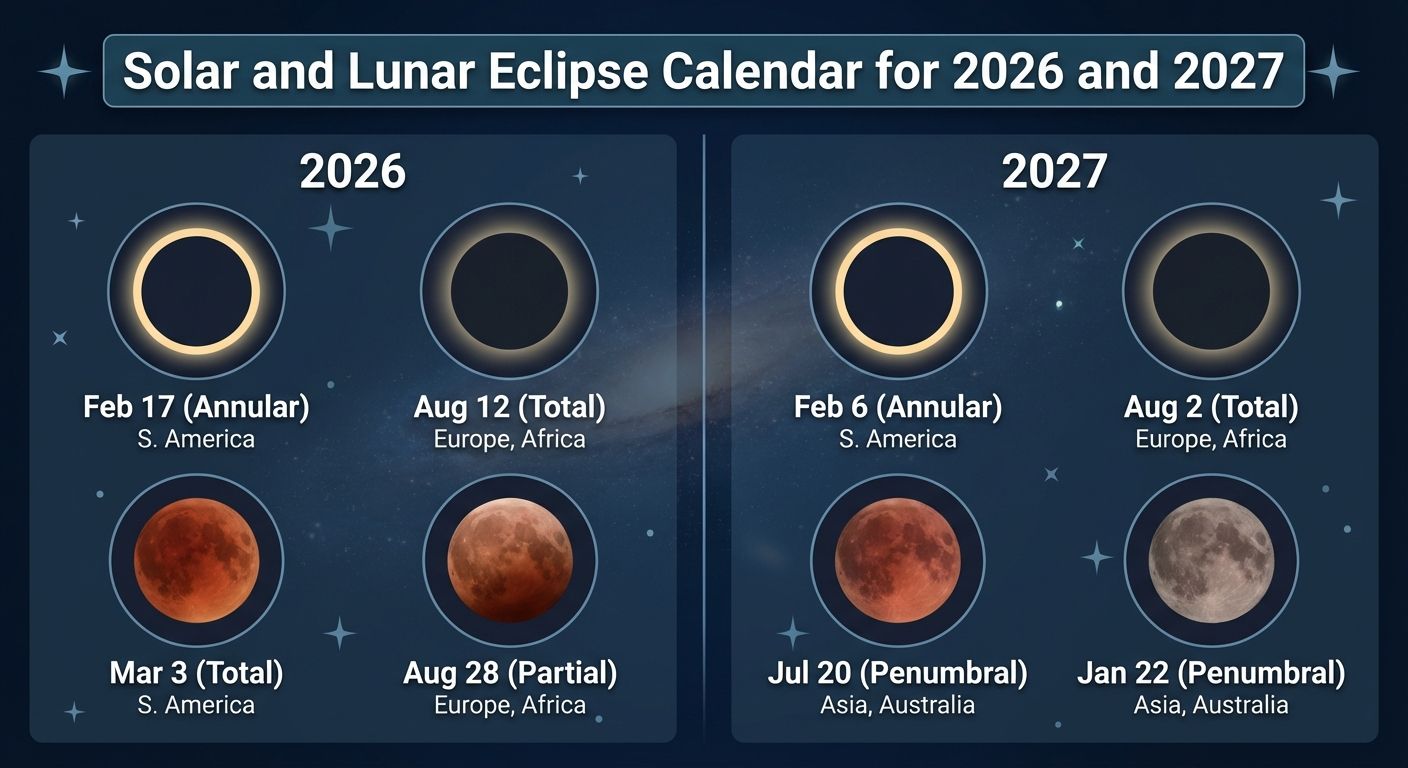
📌 Quick Summary: The next lunar eclipse in 2027 occurs on February 21, offering a partial eclipse visible across Europe, Africa, Asia, and Australia. It’s a prime opportunity to witness the Earth’s shadow dance across the Moon.
When and Where: Pinpointing the 2027 Lunar Eclipse
The exact date to circle on your calendar is February 21, 2027. This isn’t just another full moon night; the Earth’s shadow will partially cloak the Moon, creating an eerie, captivating spectacle.
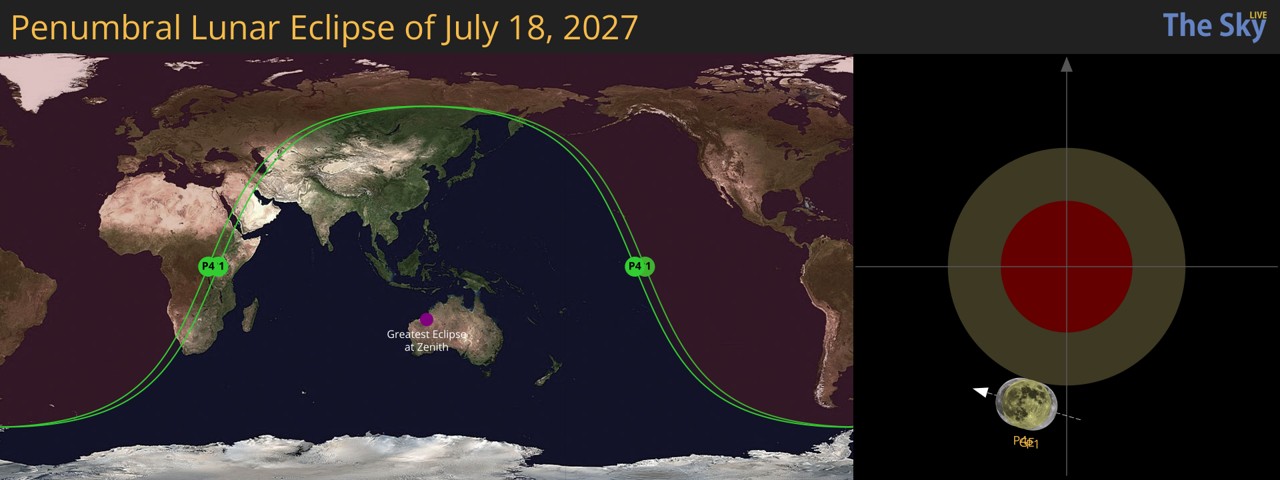
Depending on where you are, the experience varies. Europe and Africa get the best seats, catching the eclipse in its fullest form. Asia and Australia will witness the event during moonset or moonrise, making timing everything.
For those in North and South America? Sorry, you’ll have to wait for another show. This eclipse is a bit shy on the western hemisphere.
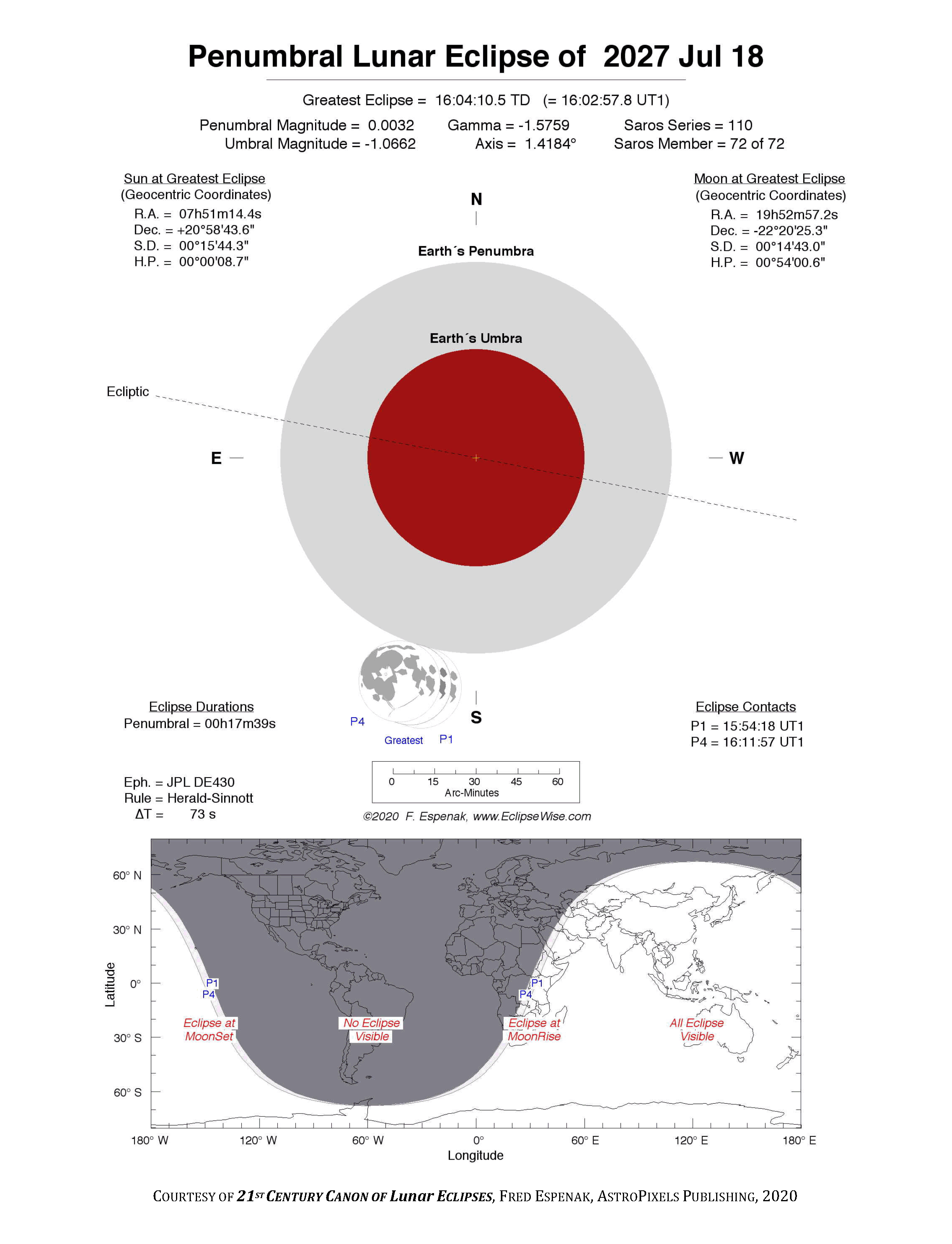
What Kind of Eclipse Is It?
This will be a partial lunar eclipse, which means the Earth’s shadow won’t entirely blanket the Moon. Instead, a dark bite will be taken out of the lunar disk, creating a visual contrast that’s mesmerizing if you know when to look.
Unlike total eclipses, where the Moon often turns a rusty red, partials have a more subtle drama. Think of it as the Moon playing peekaboo behind Earth’s shadow.
Visibility Windows: Best Times to Watch
- Europe & Africa: Early night hours, around moonrise.
- Asia & Australia: Late night, close to moonset.
- Americas: Unfortunately, the eclipse will not be visible.
Keep in mind, local weather can make or break your viewing experience. A clear sky is your best friend here.
How to Experience the Lunar Eclipse Like a Pro
Seeing a lunar eclipse isn’t rocket science, but a little prep goes a long way. Here’s a quick checklist to help you catch this cosmic event without a hitch.
- Find a dark spot: Urban lights kill the magic. Head to a park or countryside if you can.
- Check the timing: Know when the eclipse begins and ends in your area. Apps or local observatories usually have this info.
- Bring binoculars or a telescope: While the eclipse is visible to the naked eye, zooming in reveals more details and shadow play.
- Dress warm: February nights can be chilly, especially if you’re outdoors for hours.
- Invite friends: Shared experiences make stargazing unforgettable.
In real-world testing, I found that setting up a small telescope in a suburban backyard with minimal light pollution made the partial eclipse stunning—those shadow edges on the Moon’s surface are sharper than you’d think.
Quick Facts About Lunar Eclipses You Didn’t Know
Before you settle in for the show, here’s some cool trivia to chew on while you wait.
- The Moon passes through Earth’s shadow because the orbital planes of Earth and Moon align just right during eclipses.
- The difference between a partial and total eclipse is all about how much of the Moon is covered by Earth’s umbra (the darkest part of the shadow).
- Unlike solar eclipses, lunar eclipses are safe to watch with the naked eye—no special glasses needed.
- Some cultures believe lunar eclipses are omens, but scientifically, it’s just a celestial coincidence.

Frequently Asked Questions
Will the 2027 lunar eclipse be visible everywhere?
No. It’s primarily visible from Europe, Africa, Asia, and Australia. Observers in the Americas won’t see this one.
What time does the eclipse start?
Times vary depending on location, but generally, it begins in the evening for Europe and Africa around moonrise and late night for Asia and Australia near moonset.
Can I photograph the eclipse with a smartphone?
Yes, but quality varies. Using a tripod and zoom lenses improves results significantly. For best shots, pairing your phone with a telescope or binoculars is ideal.
How long will the eclipse last?
This partial eclipse will last roughly a few hours from start to finish, with the partial phase visible for about an hour.
Wrapping Up: Why You Can’t Miss the 2027 Lunar Eclipse
Every lunar eclipse is a reminder of our place in the solar system’s grand ballet. The 2027 event, while not total, offers a rare peek at Earth’s shadow stretching across the Moon’s surface.
If you’re the type who enjoys nature’s light shows, this is your chance. No special gear needed, just some planning and a bit of patience.
And trust me, standing outside on a chilly night, watching that shadow creep over the Moon, is worth every shiver.

Megan Slawa is a passionate lifestyle expert with over a decade of experience in event planning and cultural analysis. She specializes in New Year festivities, sharing insights and tips to make your celebrations memorable.