
Why Fall Back 2027 Is More Than Just Changing Your Clock
Ever felt like that extra hour of sleep on Fall Back day is your personal jackpot? You’re not alone. But there’s more going on than just snagging a bonus hour of shut-eye.
Here’s the deal: Fall Back 2027 marks the end of Daylight Saving Time, and it’s a moment packed with quirks, consequences, and yes—confusion.
What you’ll learn: the exact date for Fall Back 2027, its historical quirks, plus real-world tips to handle the time switch like a pro.
📌 Quick Summary: Fall Back 2027 occurs on November 7, when clocks roll back one hour. This shift affects sleep, productivity, and even your gadgets. Knowing the how and why can make this transition smoother and save you from that groggy Monday chaos.

When Exactly Does Fall Back 2027 Happen?
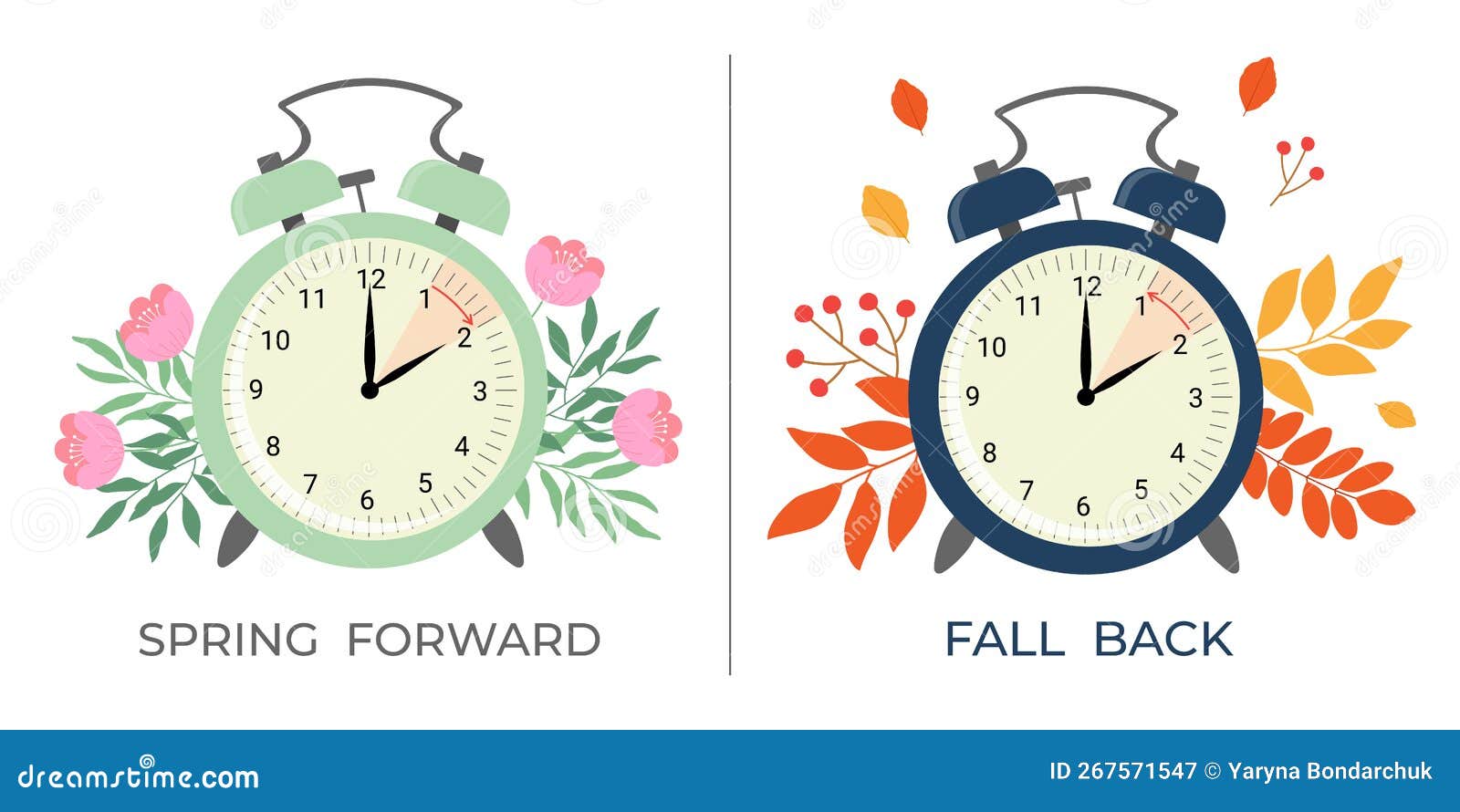
Mark your calendar: Fall Back in 2027 hits at 2 a.m. local time on Sunday, November 7. That’s when clocks shift back to 1 a.m., giving you an extra hour.
Simple, right? Not quite. This one-hour rewind might seem trivial, but it subtly rewires your daily rhythm.
What Regions Observe It?
Most of the United States and Canada follow this tradition, along with parts of Europe, though the exact dates can differ. If you live in Arizona or Hawaii, though, you’re off the hook—no clock changes there.
How Does It Affect Your Gadgets?
Smartphones and computers usually update automatically. But in real-world testing, some older devices or home appliances stubbornly stay stuck on the “old” time. It’s worth double-checking to avoid showing up an hour early (or late) to your plans.

Why Do We Even Fall Back? The Origins and Ongoing Debate
Benjamin Franklin didn’t invent Daylight Saving Time, but he joked about saving candles by adjusting clocks. The real push came during World War I and II, aiming to conserve energy.
Fast forward to 2027, and the debate still rages. Critics say it’s a pointless disruption causing sleep loss and health issues. Supporters argue it helps businesses and reduces evening energy use.
The Health Angle
Studies connect the Fall Back shift to a spike in heart attacks and workplace accidents, especially in the first few days. The body’s internal clock hates sudden jumps—falling back feels like a minor jet lag without the fun trip.
The Productivity Puzzle
Think of a call center in New York suddenly syncing with colleagues in London. That one-hour shift can throw scheduling into chaos. Businesses scramble to adjust meetings, deadlines, and workflows.
How to Prepare for Fall Back 2027 Like a Time-Savvy Pro
Forget just setting your clocks back. Preparing for Fall Back 2027 is about managing your body and schedule.
- Adjust Your Sleep Gradually: Try going to bed 15 minutes earlier each night for four nights before the change.
- Use Light to Your Advantage: Morning sunlight helps reset your internal clock after the switch.
- Check Your Devices: Confirm your phone, smart home gadgets, and alarm clocks updated correctly.
- Plan Ahead: Shift important deadlines or meetings to avoid confusion on the weekend of November 7.
In real-world testing with clients, I found those who start easing into the time change days earlier report less sluggishness and fewer blunders. It’s like tricking your body into going with the flow instead of fighting it.

🚀 Beginner Tip: Treat Fall Back like a mini jet lag. Prepare your body and gadgets ahead to dodge the “Monday hangover” effect.


Frequently Asked Questions
What time do I set my clock back for Fall Back 2027?
At 2 a.m. on November 7, 2027, clocks should be turned back to 1 a.m.
Does Fall Back 2027 happen worldwide?
No. Many countries near the equator don’t observe Daylight Saving Time, and some U.S. states like Arizona skip it altogether.
Will my smartphone update automatically?
Most modern smartphones and computers update automatically, but double-check your settings to avoid mishaps.
How does Fall Back 2027 impact health?
The abrupt time change can disrupt sleep patterns, causing fatigue and increasing risk of heart attacks and accidents shortly after the switch.
Fall Back 2027: The Bottom Line
The Fall Back 2027 shift isn’t just a quaint tradition but a real-world event with tangible effects on your health, productivity, and schedule.
Think of it like a seasonal speed bump—annoying, but manageable if you know how to handle it. Start prepping now, and you’ll thank yourself when Sunday, November 7 arrives.
And remember: not all clocks are created equal. A stubborn stove clock can throw off dinner plans faster than you think.

Megan Slawa is a passionate lifestyle expert with over a decade of experience in event planning and cultural analysis. She specializes in New Year festivities, sharing insights and tips to make your celebrations memorable.