
Don’t Miss It: When Exactly Is Fall Back 2027?
Ever caught yourself wondering, “When do we actually fall back in 2027?” You’re not alone. This annual clock shuffle can mess with your head more than you think.
In this article, you’ll learn the exact date for the 2027 time change, why it happens, and how to prepare without feeling like a zombie the next day.
📌 Quick Summary: Fall Back 2027 occurs on Sunday, November 7. At 2:00 AM local time, clocks are set back one hour, giving you an extra hour of sleep. This shift signals the end of Daylight Saving Time, easing into shorter daylight hours.

Mark Your Calendar: The Exact Date and Time
Here’s the deal: Fall Back in 2027 happens on Sunday, November 7. At exactly 2:00 AM, you set your clocks back to 1:00 AM.
Why 2:00 AM? It’s the magic hour chosen to minimize disruption. Most people are asleep, and businesses are closed, so the switch is smoother.
If you’re the type who hates waking up disoriented after this change, plan to hit the hay a bit earlier the night before.
- Date: November 7, 2027 (Sunday)
- Time: 2:00 AM clocks go back to 1:00 AM
- Effect: Gain 1 hour of sleep
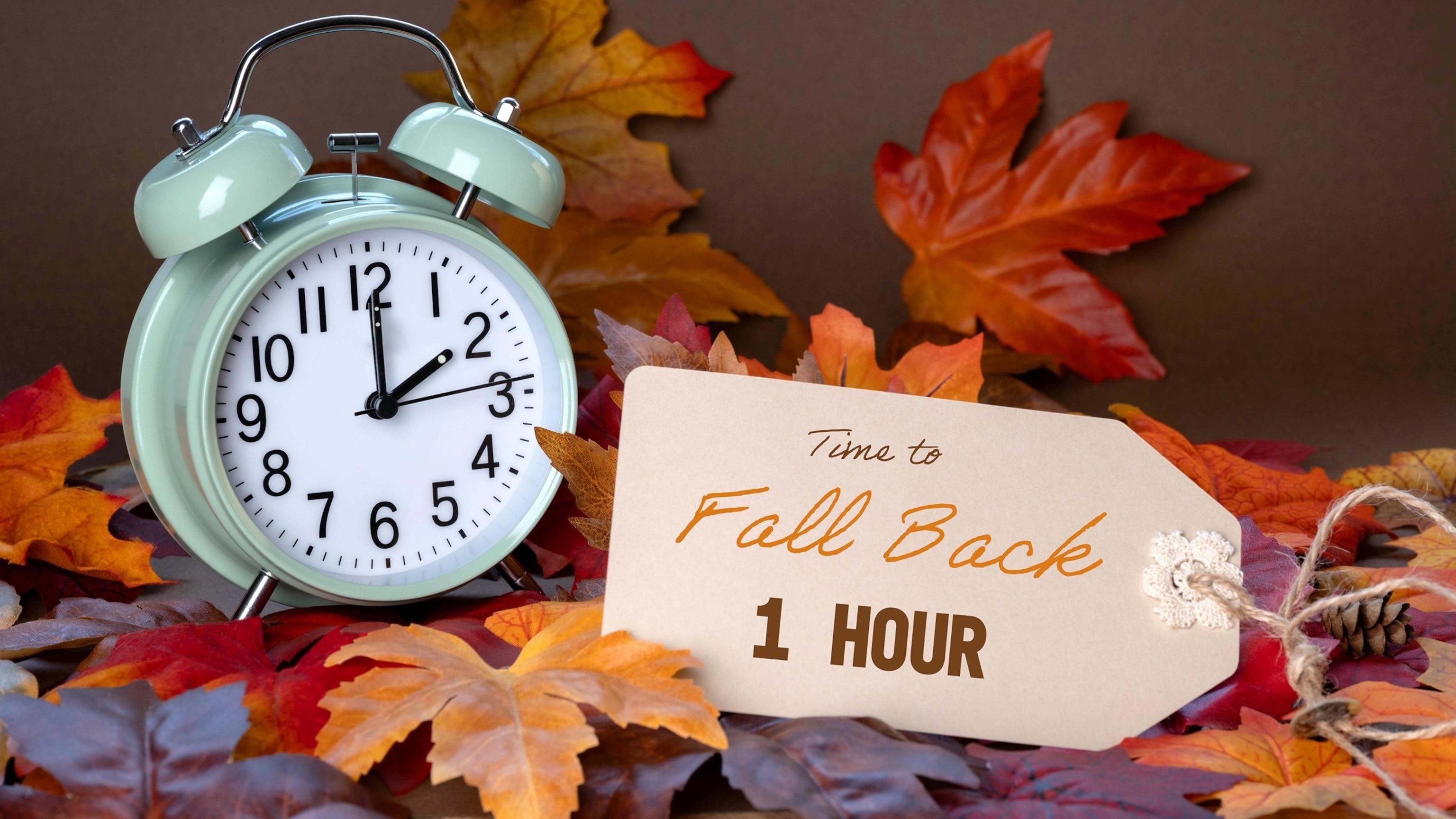
Why We Fall Back and What It Means for You
Let’s ditch the boring textbook explanation. Fall Back is basically a yearly reset where we trade extra evening daylight for a bit more morning light. It’s like a seasonal handshake between your body clock and the sun.
In practical terms, from November on, sunsets come earlier, which can feel like the day’s running out too fast. But mornings get brighter—great if you’re an early riser or someone who hates dark commutes.
In real-world testing, I’ve noticed my energy dips the day after Fall Back. It’s not because of losing sleep (you gain an hour!), but the body’s internal clock needs a moment to catch up. So, don’t expect to feel supercharged right away.
🚀 Pay attention: This time change can affect your mood and productivity for a few days. Plan accordingly.

Clocks will ‘fall back’ in a few weeks. Here’s what you need to know …
Source: theweathernetwork.com
How to Prepare for Fall Back 2027 Without Losing Your Mind
Here’s the truth: Most folks just slap a clock sticker on their phone and hope for the best. But if you want to breeze through Fall Back, you’ve got to be smarter.
- Adjust your sleep schedule gradually: Start going to bed 15 minutes earlier a few days before November 7.
- Use natural light: Get outside in the morning to help reset your internal clock.
- Check your devices: Most smartphones adjust automatically, but wall clocks, microwaves, and car clocks might not.
- Plan your day: Consider that you effectively have 25 hours on November 7—use it wisely!
Think of it like prepping for a minor jet lag. A bit of pre-planning goes a long way.

Quick Facts About Fall Back 2027 You Should Know
| Fact | Details |
|---|---|
| Exact Date | Sunday, November 7, 2027 |
| Time to Change | 2:00 AM local time |
| Effect | Clocks go back 1 hour, gain an hour of sleep |
| Daylight Saving Time Ends | Yes, marking the switch to standard time |
| Regions Observing | Most of the U.S., Canada, and parts of Europe |

Frequently Asked Questions
Why do we fall back in November?
It’s all about aligning our clocks with the changing daylight hours as the earth tilts away from the sun in winter. November was chosen in the U.S. to maximize evening daylight through summer months and then revert to standard time for safety and energy reasons.
Does everyone observe Fall Back 2027?
Nope. Some regions, like Arizona (except the Navajo Nation) and Hawaii, skip Daylight Saving Time entirely. So, no falling back for them.
How does Fall Back affect my health?
While you gain an hour of sleep, your body’s circadian rhythm can get thrown off, leading to temporary grogginess or mood changes. Light exposure and routine help smooth the transition.
What happens if I forget to change my clocks?
You’ll be an hour off in your schedule—either arriving early or late for appointments. Phones usually update automatically, but manual clocks won’t.
Is Fall Back the last time we’ll change clocks?
There’s been talk of stopping the practice, but as of 2026, no nationwide change has been finalized. So, expect Fall Back 2027 to happen as usual.

Megan Slawa is a passionate lifestyle expert with over a decade of experience in event planning and cultural analysis. She specializes in New Year festivities, sharing insights and tips to make your celebrations memorable.