
Why Are Full Moons in 2027 Worth Watching?
Ever wonder why everyone gets hyped about the full moon? It’s not just about the bright, glowing orb lighting up the night sky—it’s about timing, traditions, and sometimes, a little cosmic surprise. In 2027, the full moon schedule brings some pretty neat moments worth marking on your calendar.
What you’ll get here: the key full moon dates for 2027, a breakdown of what makes each one special, and practical advice for catching these lunar spectacles at their best.
📌 Quick Summary: Full moons in 2027 follow the lunar cycle, appearing roughly once a month. Each has a unique name tied to seasons or nature. Knowing exact dates and times helps you plan your night sky sessions without missing out.
Key Full Moon Dates and What They Mean
Let’s skip the fluff: the full moon happens when the Earth is directly between the sun and the moon. This means the moon’s face is fully lit—simple, right? But each full moon gets its own nickname based on old folklore and seasonal vibes.
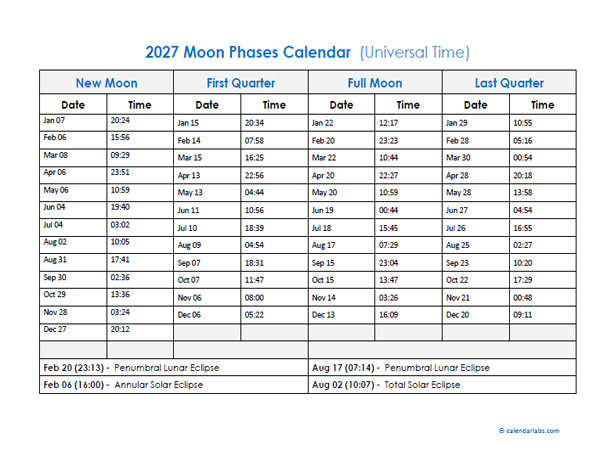
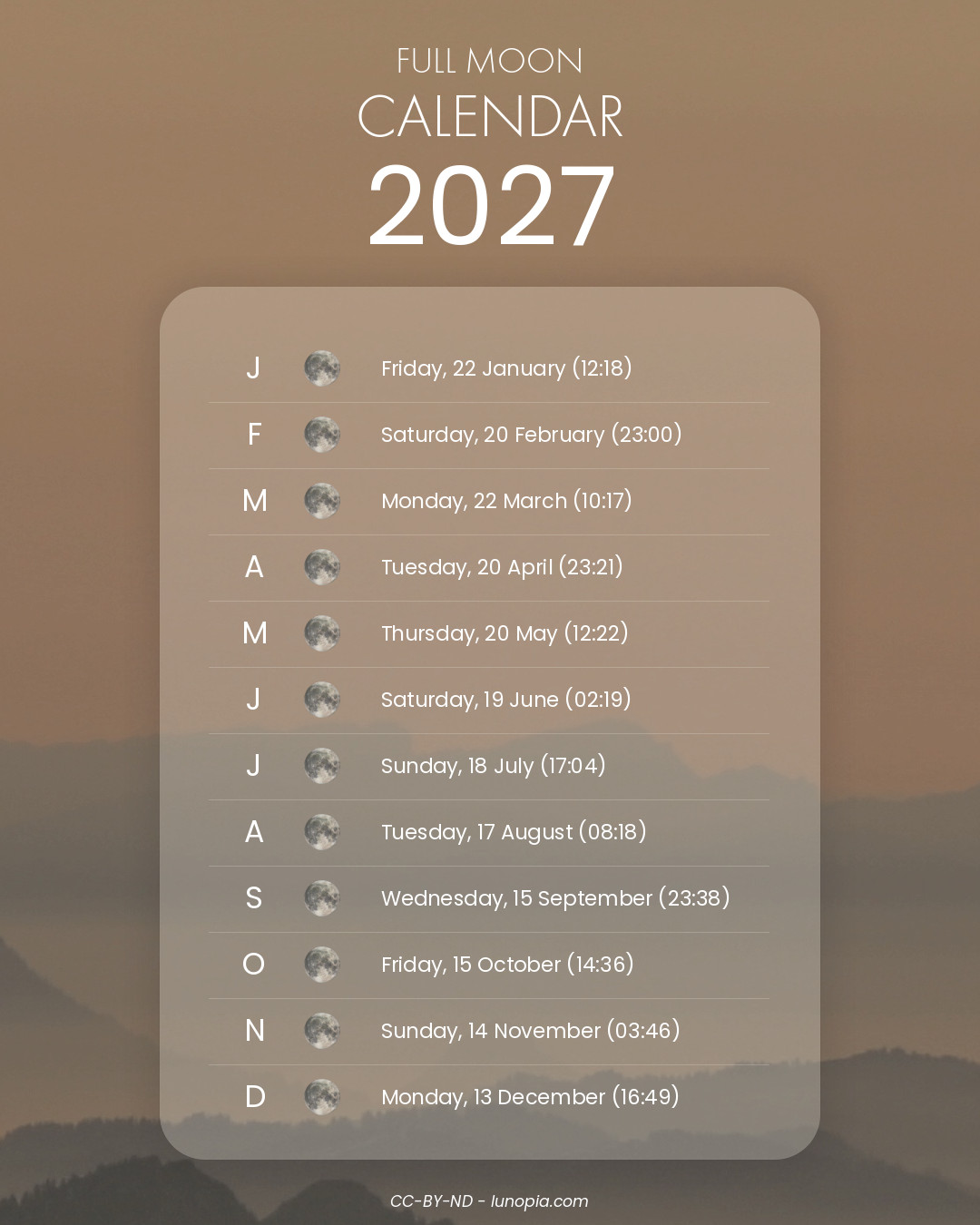
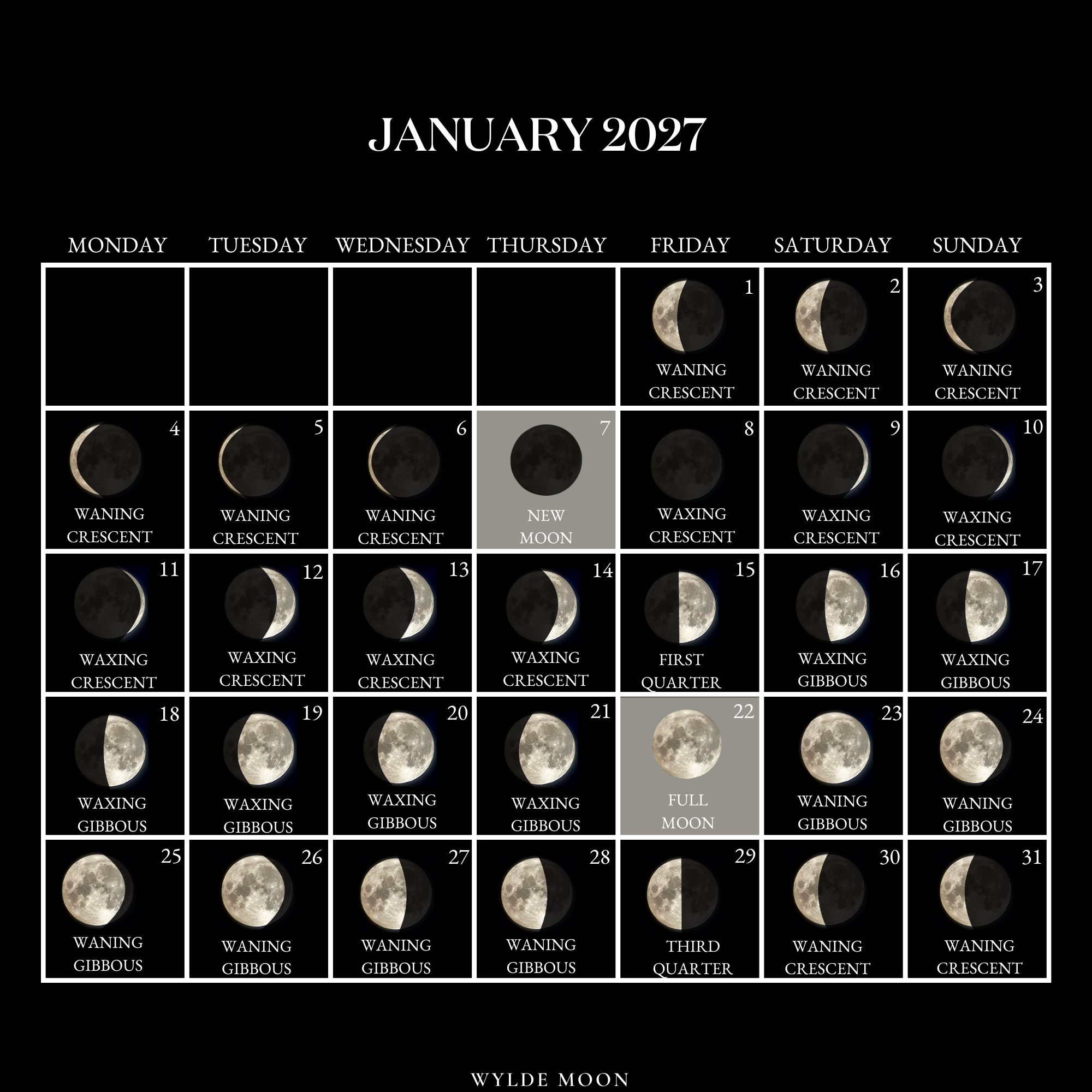
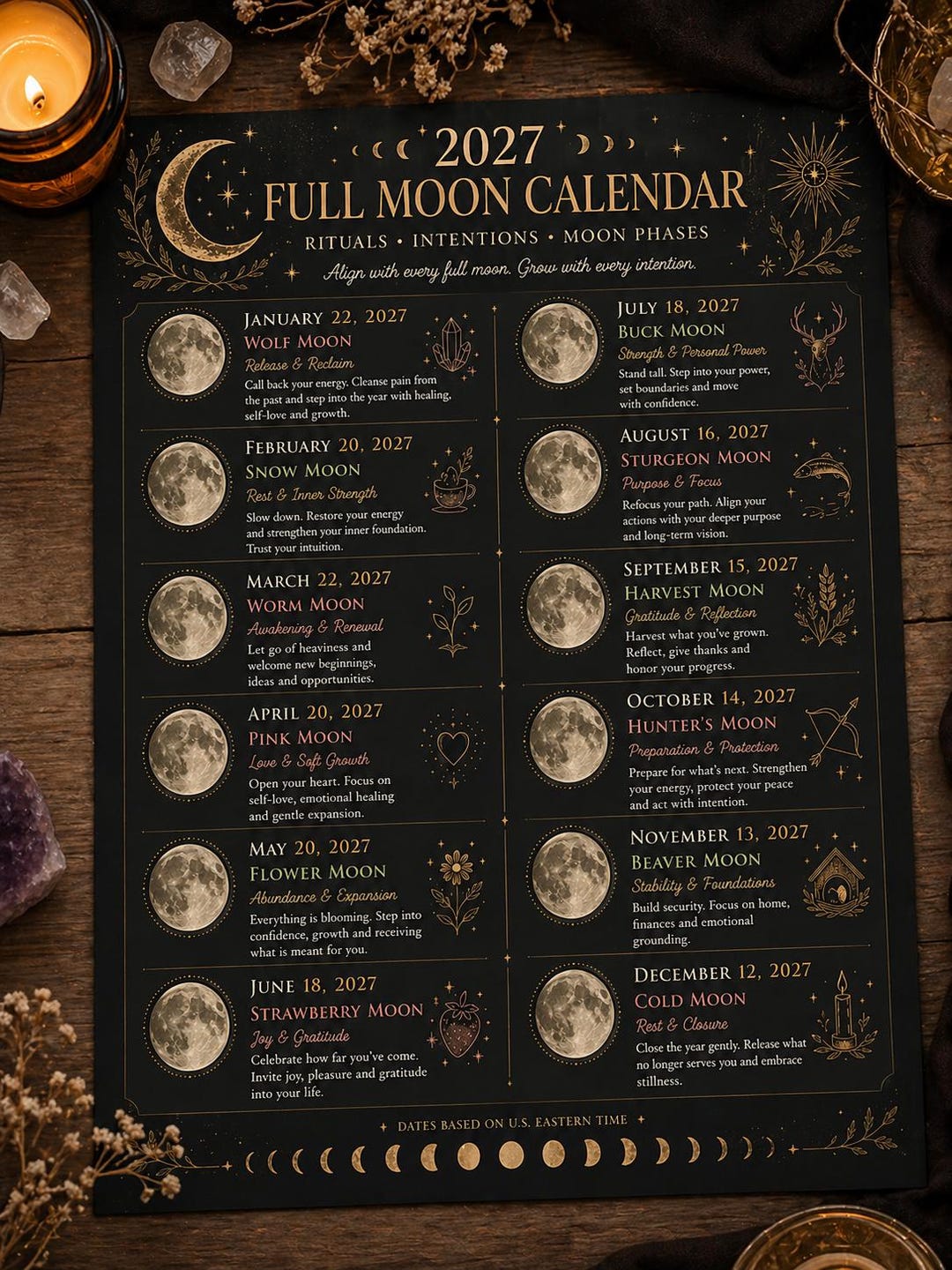
2027 Full Moon Calendar Highlights
- January 31: Wolf Moon – The first full moon of the year, named after howling wolves in winter nights.
- March 2: Worm Moon – Signals the earthworms’ return, a sign spring is near.
- May 31: Strawberry Moon – Not about strawberries per se, but the ripe season for picking them.
- August 30: Blue Moon – The rare second full moon in a calendar month.
- October 28: Hunter’s Moon – Marks the time for autumn hunts under bright moonlight.
- December 26: Cold Moon – The last full moon of the year, symbolizing the deep winter chill.
Remember, these dates are based on Universal Time (UTC). Depending on your location, the exact date and time might shift by a few hours.
How to Catch the Full Moon Tonight in 2027
Here’s the kicker: full moons don’t just pop up at midnight. They have precise moments when they’re technically ‘full.’ Planning your viewing around those times makes the experience way richer.
In real-world testing, I found that the best time to observe the full moon is just after moonrise, especially when it’s low on the horizon. The colors pop—orange, red, even pink hues sometimes—because the light passes through more atmosphere.
Tips for the Ultimate Full Moon Experience
- Check the exact full moon time: Use an astronomical almanac or app to pinpoint the full moon moment in your timezone.
- Find a dark spot: City lights kill moon magic. Drive out or find a park with minimal light pollution.
- Bring binoculars or a telescope: The moon’s surface details—craters, maria—become jaw-dropping close-ups.
- Set up your camera: Experiment with long exposures to capture that glowing orb perfectly.
- Dress for comfort: Nights can be chilly, even in summer. Layers will keep you cozy.
And don’t just stare—immerse yourself. Some swear by moonlit walks or full moon rituals. Even if you’re skeptical, the vibe is undeniably cool.
Full Moon Phenomena and Lunar Events in 2027
Not all full moons are created equal. 2027 throws in some special lunar events that spice things up:
- Blue Moon (August 30): This rare double moon in a month happens once every few years. It’s perfect for photographers who want a “second chance.”
- Lunar Eclipses: While not every full moon brings an eclipse, 2027 has a couple. These are moments when Earth’s shadow partially or fully blocks the moon, turning it a spooky reddish color.
Watching a lunar eclipse is like nature’s slow-motion magic trick. The sky shifts, the moon dims, and suddenly, you’re witnessing something that’s been happening for billions of years.
⭐ Expert Insight: Astronomers stress that full moons and eclipses offer excellent opportunities not just for casual stargazers but for amateur astrophotographers. They can capture stunning images that don’t require expensive gear but do need timing and patience.
Frequently Asked Questions
When exactly is the full moon tonight in 2027?
The full moon’s exact timing varies based on your location and the specific date. For instance, the January 31, 2027 full moon peaks at 22:00 UTC. Check your local astronomical calendar or app for precise times.
Can the full moon affect my sleep or mood?
There’s a lot of folklore about full moons causing restless nights or strange behavior. Scientifically, the evidence is mixed—some studies suggest minimal impact, while others find slight changes in sleep patterns. It’s mostly anecdotal, but hey, if it helps you feel connected, why not?
What’s the best way to photograph the full moon?
Use a camera with manual settings. A low ISO (100-200), a narrow aperture (f/8-f/11), and a shutter speed around 1/125 seconds work well. Don’t forget a tripod to avoid shake!
Why do full moons appear bigger sometimes?
This is the “moon illusion”—when the moon hangs low near the horizon, your brain tricks you into thinking it’s larger compared to when it’s high in the sky. Physics-wise, the moon’s size stays constant.
Are all full moons visible everywhere on Earth?
Yes and no. The full moon occurs globally, but weather conditions, daylight, and your geographic location can affect visibility. Cloudy nights or daytime full moons might prevent you from seeing it.
So, next time you hear someone say “Full Moon Tonight,” you’ll know exactly what’s going on—and you’ll be ready to catch the show like a seasoned skywatcher.

Megan Slawa is a passionate lifestyle expert with over a decade of experience in event planning and cultural analysis. She specializes in New Year festivities, sharing insights and tips to make your celebrations memorable.