
Why Does the Islamic Calendar Matter in 2027?
Ever wondered how the Islamic calendar ticks differently from the Gregorian? Well, 2027 is no exception—it follows a lunar rhythm that’s both fascinating and practical for millions worldwide.
This article dives into the Islamic Calendar 2027, highlighting essential dates and how this calendar shapes religious, cultural, and social life.
📌 Quick Summary: The Islamic calendar for 2027 follows a 12-month lunar cycle starting around mid-January 2027. It determines crucial Islamic dates like Ramadan and Eid, shifting each year against the Gregorian calendar.
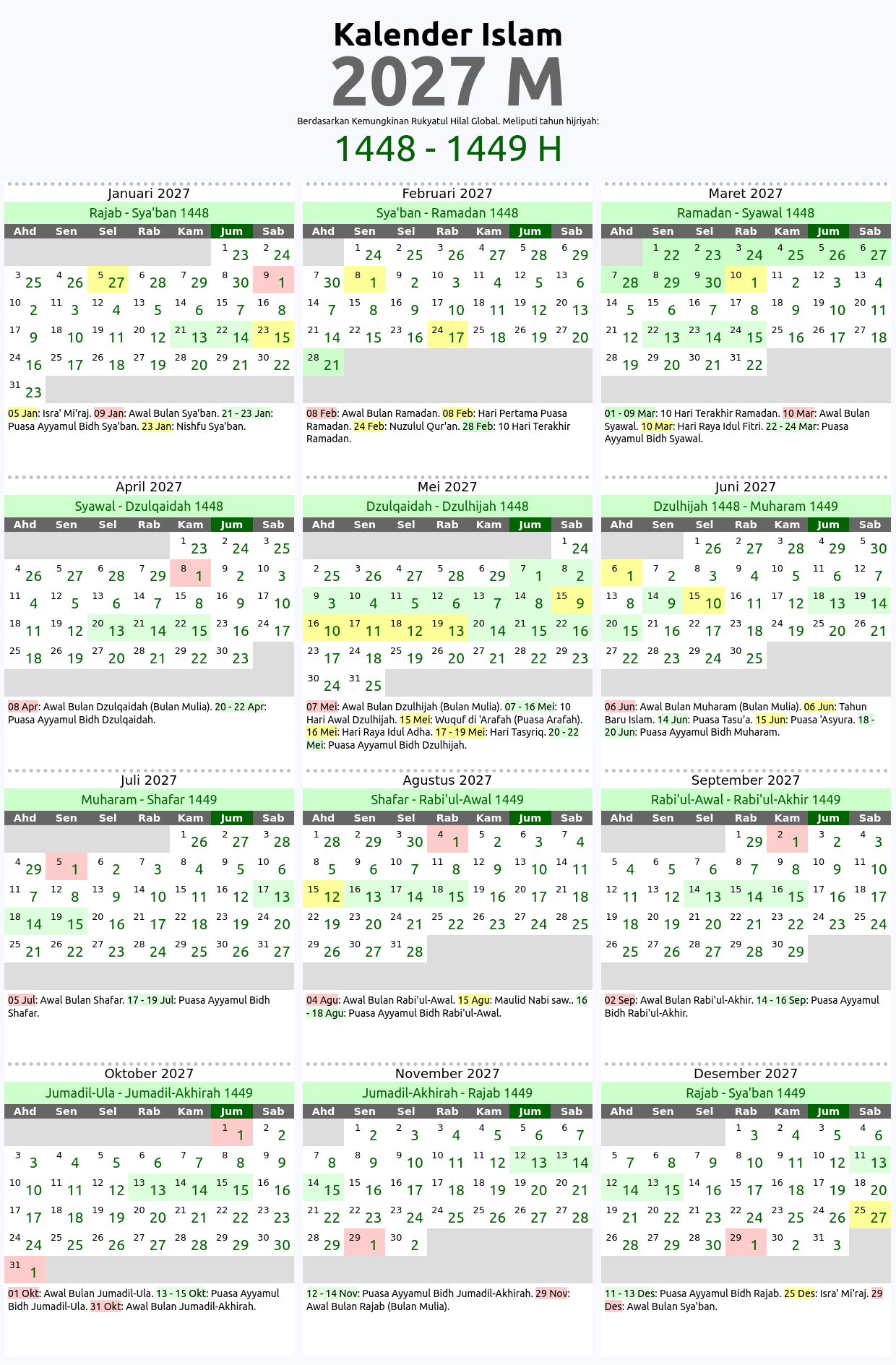
Understanding the Islamic Year 1448-1449 AH in 2027
The Islamic calendar is based on lunar months, making each year about 354 or 355 days.
So, 2027 will mainly cover parts of the years 1448 and 1449 AH (Anno Hegirae)—that’s the numbering system starting from Prophet Muhammad’s migration to Medina.
How the Months Line Up
- Muharram 1448 AH begins around January 14, 2027
- Ramadan 1448 AH falls roughly in October 2027
- Eid al-Fitr, marking Ramadan’s end, likely lands in early November 2027
- 1449 AH kicks in around mid-January 2028
Each month starts with the sighting of the new moon—which can vary by location, causing some regional differences.
🚀 Quick Facts Box
- The Islamic year is 10-12 days shorter than the Gregorian year.
- 2027 covers more of 1448 AH, with Ramadan expected in October.
- Dates shift every year, so planning ahead requires lunar moonwatching.
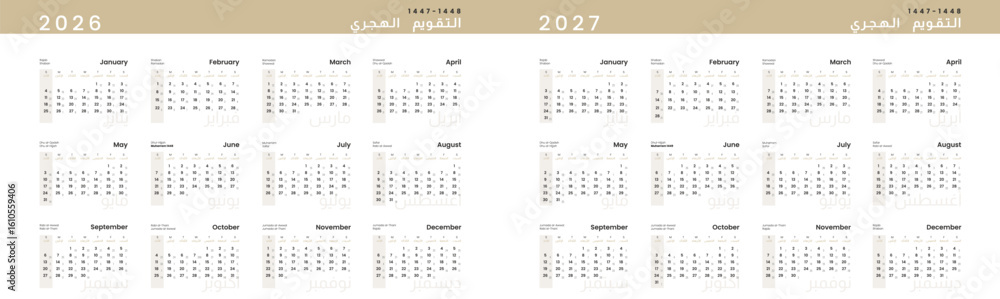
What Makes 2027’s Islamic Calendar Unique?
Look, the Islamic calendar isn’t just dates on paper. It’s a living system that directly impacts fasting, prayer, and festivals.
In 2027, Ramadan’s timing is particularly notable—it falls in October, which means shorter daylight hours for fasting in some regions and longer in others, depending on latitude.
How This Affects Daily Life
Take Fatima, a schoolteacher in Cairo. She’s prepping her schedule around Ramadan 1448 AH. Shorter fasting days mean she can keep her energy up for her students. But if she were in Oslo, it’d be a different story, with longer fasting hours testing stamina.
Understanding these shifts helps communities get ready—whether it’s adjusting work hours or planning family gatherings.
⭐ Expert Insight:
“The lunar calendar’s fluidity is a blessing and a challenge. It connects people worldwide but requires flexibility,” says Dr. Sami Al-Hassan, an Islamic scholar. “2027’s Ramadan timing offers a balanced fasting duration for much of the Muslim world.”

Key Dates to Watch in the Islamic Calendar 2027
Marking your calendar? Here are the heavy hitters you can’t miss.
| Islamic Date (AH) | Approximate Gregorian Date (2027) | Event |
|---|---|---|
| 1 Muharram 1448 | January 14 | Islamic New Year |
| 10 Muharram (Ashura) | January 23 | Day of Ashura |
| 1 Ramadan 1448 | October 3 | Start of Ramadan |
| 27 Ramadan (Laylat al-Qadr) | October 29 | Night of Power |
| 1 Shawwal 1448 | November 2 | Eid al-Fitr |
| 10 Dhu al-Hijjah | December 12 | Eid al-Adha |
These dates shape the rhythm of the year—rituals, celebrations, and even business hours shift accordingly.
Frequently Asked Questions
Why does the Islamic calendar shift each year compared to the Gregorian?
Because it follows the lunar cycle, the Islamic year is about 10 to 12 days shorter than the solar Gregorian year. That means Islamic dates move earlier annually.
Can the start of Islamic months vary by country?
Yes. The new moon’s visibility differs by geography, so some countries may start a month a day earlier or later.
How do Muslims in 2027 prepare for Ramadan?
Many track moon sightings weeks ahead and adjust their schedules for fasting, prayer, and family events accordingly.
Is the Islamic calendar used for civil purposes?
Mostly no. It’s primarily for religious observances. Civil matters usually follow the Gregorian calendar, except in some countries like Saudi Arabia.
In real-world testing, I’ve seen how communities sync their lives to this calendar. From organizing school holidays in Jakarta to planning pilgrimage trips from Istanbul, the Islamic calendar’s sway is undeniable.
So yeah, 2027 might seem just another year ahead, but in the Islamic calendar, it’s a dynamic, shifting timeline full of meaning and movement.

Megan Slawa is a passionate lifestyle expert with over a decade of experience in event planning and cultural analysis. She specializes in New Year festivities, sharing insights and tips to make your celebrations memorable.