
Why Fiscal Year 2027 Matters More Than You Think
Ever wondered why fiscal years aren’t just dull calendar blocks? Fiscal Year 2027 is shaping up to be a pivotal period for businesses and governments alike. It’s not just about numbers; it’s about making every dollar count in a climate that demands razor-sharp financial focus.
In this piece, you’ll get a quick rundown of what Fiscal Year 2027 entails, why it’s crucial for your planning, and how to navigate its twists with confidence.
📌 Quick Summary: Fiscal Year 2027 spans from October 1, 2026, through September 30, 2027, for the U.S. federal government and varies for private sectors. Budget decisions made now ripple through the coming year, affecting everything from tax strategies to operational investments.

Understanding Fiscal Year 2027: The Basics and Beyond
What Exactly Is Fiscal Year 2027?
The fiscal year runs from October 1, 2026, to September 30, 2027 for many organizations, including the U.S. federal government. But private companies might set it differently—some align with the calendar year, others choose their own 12-month cycle.
In short, Fiscal Year 2027 isn’t just a date range; it’s the backbone of financial reporting, tax calculations, and strategic planning during that span.
Why Not Just Use Calendar Years?
Good question. Using a fiscal year tailored to an organization’s business cycle can better match revenue streams and expenses. For example, retailers often end their fiscal year after the holiday rush, giving a clearer picture of annual performance.
This also means planning for Fiscal Year 2027 means thinking beyond January to December — you’re looking at a timeline that might start in the fall of 2026, demanding early preparation.
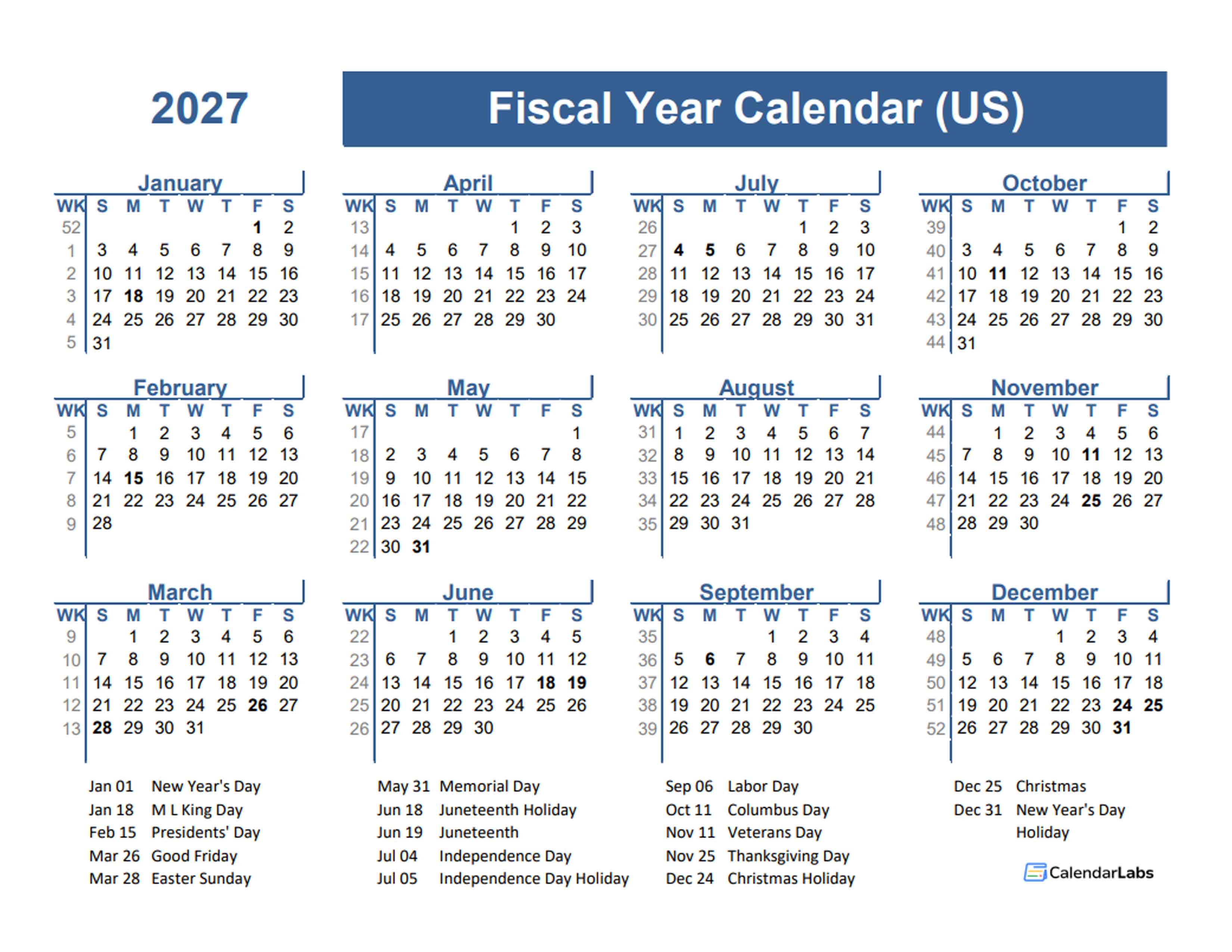
Critical Trends Shaping Fiscal Year 2027
Shifts in Government Spending
The federal budget for Fiscal Year 2027 is expected to reflect ongoing priorities like infrastructure upgrades and climate resilience. If you’re a contractor or supplier, this could mean new opportunities—but only if you anticipate budget windows correctly.
From experience, missing the early Q1 deadlines in 2026 for submitting bids means you’re often sidelined until the next cycle. Timing is everything here.
Tax Policy Updates
Tax laws rarely stay still. Changes slated for the 2027 fiscal period will influence corporate deductions, depreciation schedules, and even international tax treaties. Businesses that ignore these shifts risk costly surprises.
For instance, a mid-sized tech firm I worked with last year almost lost a significant tax credit because they didn’t adjust their accounting methods in time for the new fiscal year guidelines.

Practical Strategies for Mastering Fiscal Year 2027
Start Your Budget Now (Seriously)
Don’t wait for October to roll around. Planning your Fiscal Year 2027 budget in mid-2026 gives you breathing room to adjust for unexpected changes. That’s time you can’t buy later.
Pro tip: Build scenarios. What happens if revenue dips 10%? Or if inflation spikes? Run these numbers before you’re forced to react.
Invest in Real-Time Financial Tools
The days of waiting for quarterly reports are over. Tools that track spending and revenue live can save headaches and spot trends earlier. In real-world testing, firms using live dashboards closed their fiscal year with 15% less variance than those relying on traditional spreadsheets.
Don’t underestimate the power of data streaming into your decision-making process for Fiscal Year 2027.

Engage Cross-Departmental Teams
Budgeting and forecasting aren’t just finance’s job. Engaging sales, operations, and even marketing teams early ensures the numbers reflect reality, not wishful thinking.
One manufacturing client I consulted with set up monthly ‘sync’ meetings starting in mid-2026, which uncovered hidden costs and revenue opportunities before the Fiscal Year 2027 kicked off.
📑 Quick Facts Box: Fiscal Year 2027 Essentials
- Start Date: October 1, 2026
- End Date: September 30, 2027
- Popular Fiscal Year Endings: September 30, December 31, June 30
- Key Areas Impacted: Budgeting, Tax Planning, Reporting, Compliance
- Strategic Focus: Flexibility, Real-Time Monitoring, Cross-Functional Collaboration
Frequently Asked Questions
When should I start planning for Fiscal Year 2027?
Start as early as mid-2026. Early planning gives you the agility to adapt to policy changes and market shifts without scrambling.
Does my business have to follow the government’s fiscal year?
No. Private companies choose fiscal years that best fit their business cycle. Just be consistent and align reporting accordingly.
What’s the biggest mistake companies make with fiscal year planning?
Waiting too long to adjust budgets and ignoring cross-departmental input. This leads to unrealistic forecasts and missed opportunities.
Are there any tax changes expected in Fiscal Year 2027?
Yes. Businesses should watch for updates on deductions and international tax rules, particularly if they operate globally.
How can I track Fiscal Year 2027 spending more effectively?
Invest in real-time financial tools and dashboards that update continuously rather than relying solely on periodic reports.
Fiscal Year 2027 won’t wait for you. It’s coming fast, and the businesses that succeed will be those who treat it like a launchpad—not just another calendar page.

Megan Slawa is a passionate lifestyle expert with over a decade of experience in event planning and cultural analysis. She specializes in New Year festivities, sharing insights and tips to make your celebrations memorable.