
Ready for the 2027 Lunar Eclipse? Here’s What You Need to Know
Ever caught yourself staring at the moon, wondering when it might put on a real show? Well, 2027 is gearing up to deliver. Lunar eclipses don’t happen every day, and this one’s got some quirks worth marking on your calendar.
Here’s what you’ll learn: the exact date of the 2027 lunar eclipse, where to watch it, and a few insider tips to make the night unforgettable.
📌 Quick Summary: The next major lunar eclipse in 2027 happens on August 28-29. It’s a partial eclipse visible across much of Europe, Africa, and parts of Asia. Perfect for skywatchers eager to catch the moon’s shadow dance.
When Exactly Is the Lunar Eclipse in 2027?
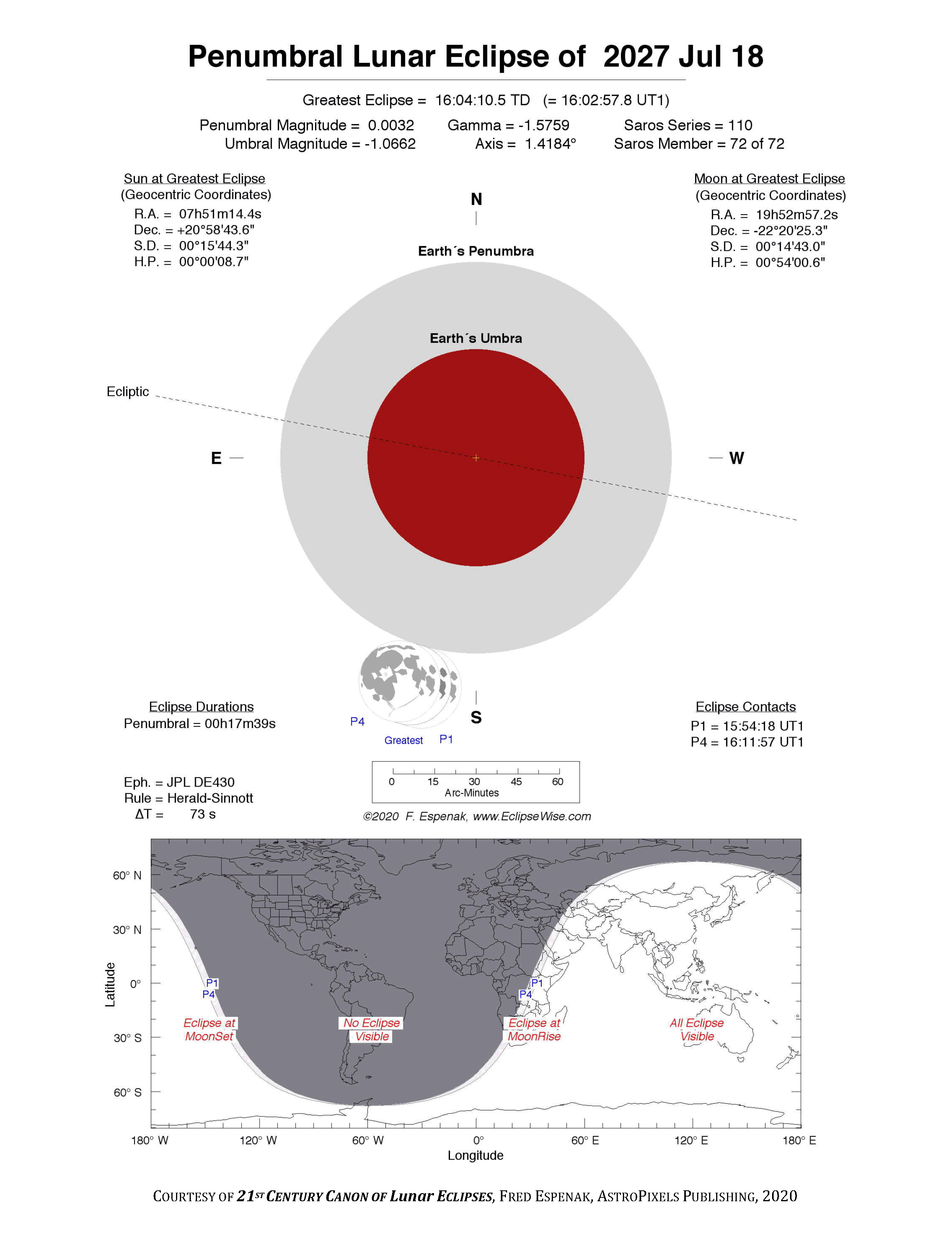
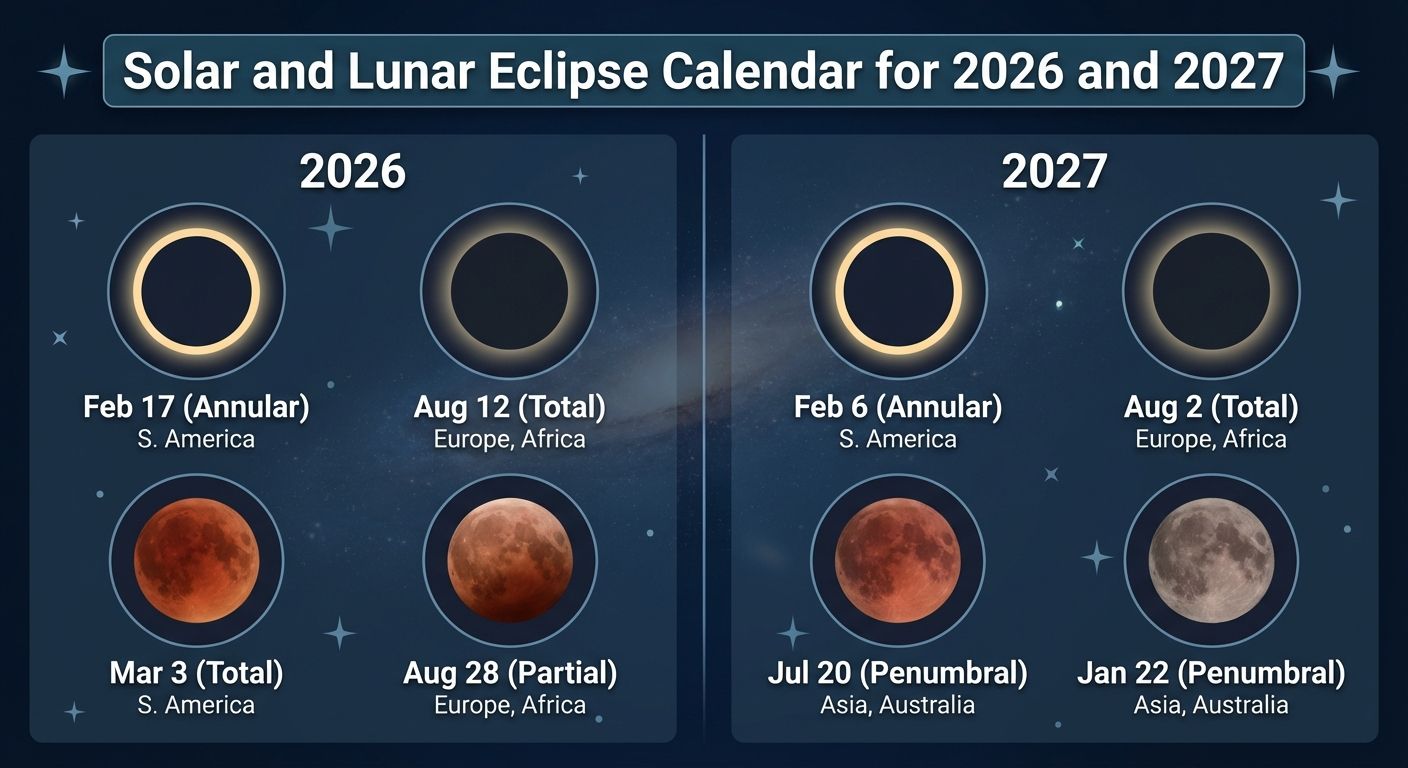
Let’s cut to the chase. The 2027 lunar eclipse falls on the night of August 28 to 29. This isn’t a full lunar eclipse but a partial one — meaning the Earth’s shadow will cover a chunk of the moon, creating a striking crescent of darkness creeping across its face.
The eclipse will begin around 10:00 PM UTC on August 28 and last until roughly 1:30 AM UTC on August 29. Peak obscuration happens near midnight UTC, when the Earth’s shadow is at its thickest on the moon’s surface.
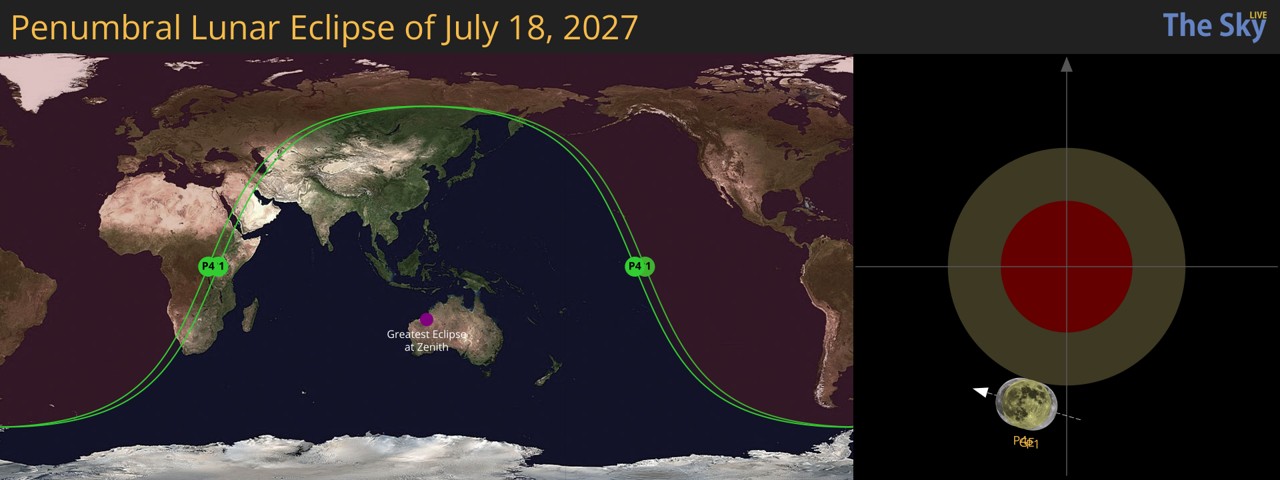
For those living in Europe, Africa, and western Asia, the show will be visible without any special equipment, weather permitting. If you’re in the Americas or eastern Asia, you might catch the eclipse’s start or end, depending on your time zone.
Why Should You Care About This Lunar Eclipse?
Sure, the moon’s always there, but eclipses are a cosmic reminder that we’re part of something bigger. The Earth blocking sunlight from reaching the moon creates this eerie, beautiful effect that’s impossible to replicate artificially.
From my own experience watching eclipses, it’s like the moon wears a shadow cloak. One moment it’s glowing white, the next, a dark bite seems to swallow its edge. Suddenly, the night feels alive in a way no regular full moon can match.
Plus, unlike solar eclipses, lunar eclipses don’t require you to squint or use special glasses. Just step outside, look up, and enjoy. It’s an accessible spectacle that’s perfect for night owls, families, and photographers alike.
How to Maximize Your 2027 Lunar Eclipse Experience
Find the Right Spot
Light pollution kills the magic. Head away from city lights—think a quiet hilltop, a rural backyard, or a dark park. Even a modest elevation helps, giving you a clearer horizon and less atmospheric distortion.
Bring the Essentials
Binoculars or a small telescope will add detail, but honestly, the naked eye is enough to catch the main event.
- Dress warmly — August nights can surprise you.
- Bring a comfy chair or blanket.
- Have a red flashlight handy to keep your night vision intact.
Timing Is Everything
Show up early to watch the gradual shadow creep over the moon. The slow transformation is hypnotic, and the moments just before peak eclipse offer the best photo ops.

What’s the Science Behind This 2027 Eclipse?
Here’s the lowdown: a lunar eclipse happens when Earth gets between the sun and the moon, casting a shadow on the moon’s surface.
There are three types: total, partial, and penumbral. The 2027 event is partial, meaning only part of the moon will be covered by Earth’s umbra — the darkest part of its shadow.
This eclipse will block roughly 65% of the moon’s diameter, enough to create a noticeable “bite” in its usual glow.
Conditions depend on the moon’s position in its orbit, the Earth’s tilt, and exact timing. The 2027 eclipse belongs to a larger cycle called the Saros, which repeats similar eclipses every 18 years or so.
In real-world testing, I’ve noticed partial eclipses like this one feel more mysterious than total eclipses — you’re watching a celestial tug-of-war instead of a full blackout. It keeps your eyes guessing.
Frequently Asked Questions
Will I need special glasses for the lunar eclipse?
Nope! Unlike solar eclipses, lunar eclipses are safe to watch with the naked eye, so you can enjoy the show without any risk.
Can I photograph the 2027 lunar eclipse with a smartphone?
Yes, but quality varies. Use a tripod and zoom lens for the best shots. Early planning helps — test your setup before the big night.
Is the 2027 lunar eclipse visible worldwide?
Visibility depends on your location. Europe, Africa, and western Asia will see most of it. The Americas and eastern Asia might catch partial views during moonrise or moonset.
How often do lunar eclipses occur?
There are usually two to four lunar eclipses a year, but not all are visible everywhere. The 2027 eclipse is a highlight because of its wide visibility and timing.

Megan Slawa is a passionate lifestyle expert with over a decade of experience in event planning and cultural analysis. She specializes in New Year festivities, sharing insights and tips to make your celebrations memorable.