
What’s Really Up with the 2027 Work Week Calendar?
Ever wonder why your workweek feels like it drags on forever—or too short to get anything done? The 2027 work week calendar holds more sway over your daily grind than you’d expect. It’s not just dates and Mondays; it’s about how you slice time to win your week.
Here’s what you’ll learn: why the 2027 calendar matters, how to map out your work weeks effectively, and some smart hacks to make your 2027 schedule actually work for you.
📌 Quick Summary: The 2027 work week calendar is your blueprint for organizing time, balancing work and life, and maximizing productivity. Knowing key weeks, holidays, and structure lets you plan smarter, not harder.
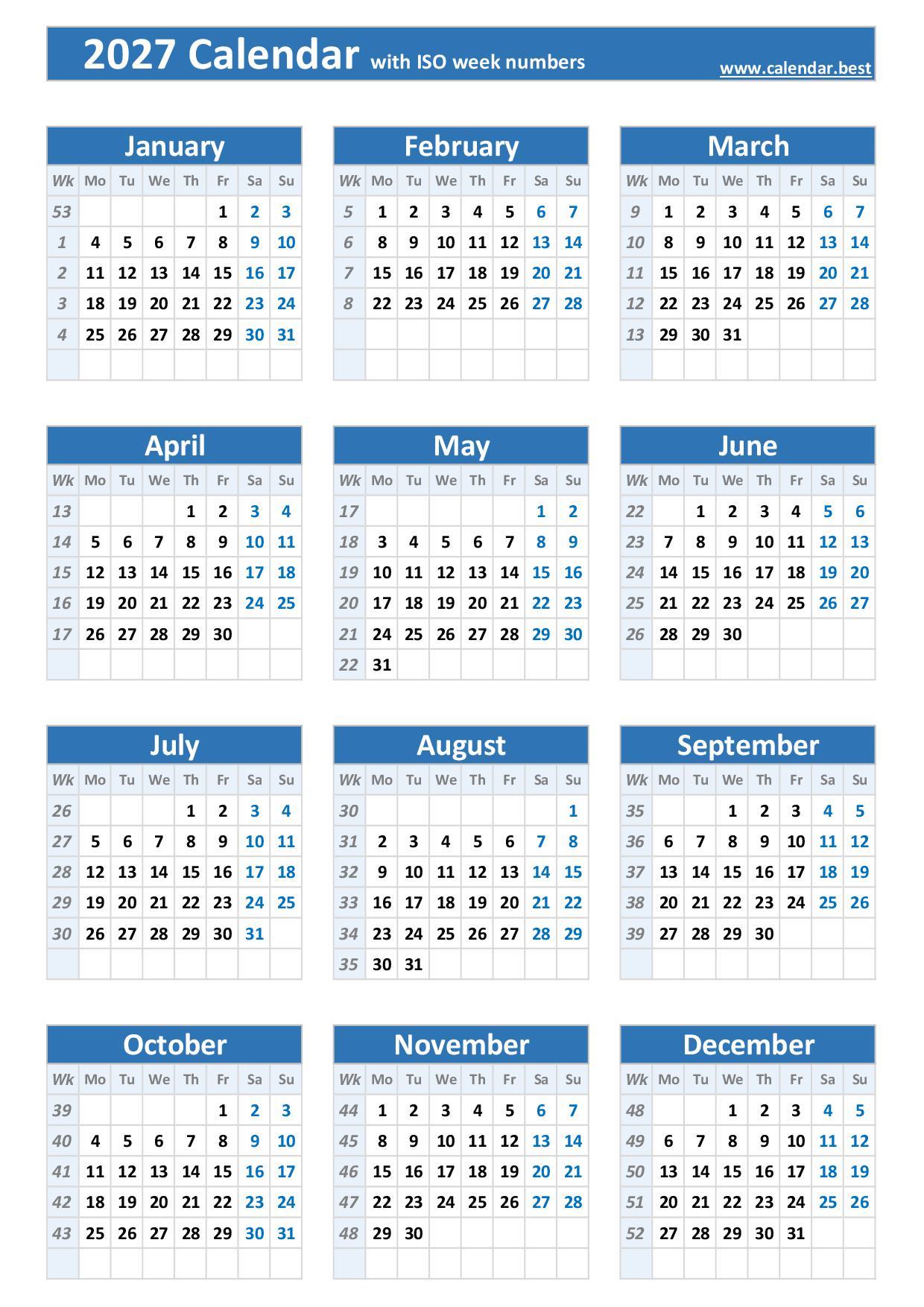
Breaking Down the 2027 Work Week Structure
At its core, the 2027 calendar isn’t reinventing the wheel—it’s a traditional Monday-to-Friday workweek with 52 weeks. But a few quirks stand out.
When Do Work Weeks Start and End?
In 2027, the first week kicks off on Monday, January 4th, because January 1st is a Friday. This means the initial days of the year technically belong to the last week of 2026. For planners, that’s crucial.
Counting weeks this way aligns with ISO 8601 standards, so if you use project management tools, they’ll sync perfectly.
Key Holiday Interruptions to Watch
Public holidays shake up the rhythm. For the US, expect major breaks like Memorial Day on May 31, Independence Day on July 4, and Thanksgiving on November 25. These dates interrupt the typical 5-day workweek.
Planning around these avoids last-minute chaos. For example, scheduling heavy workloads right before a long weekend? Recipe for burnout.
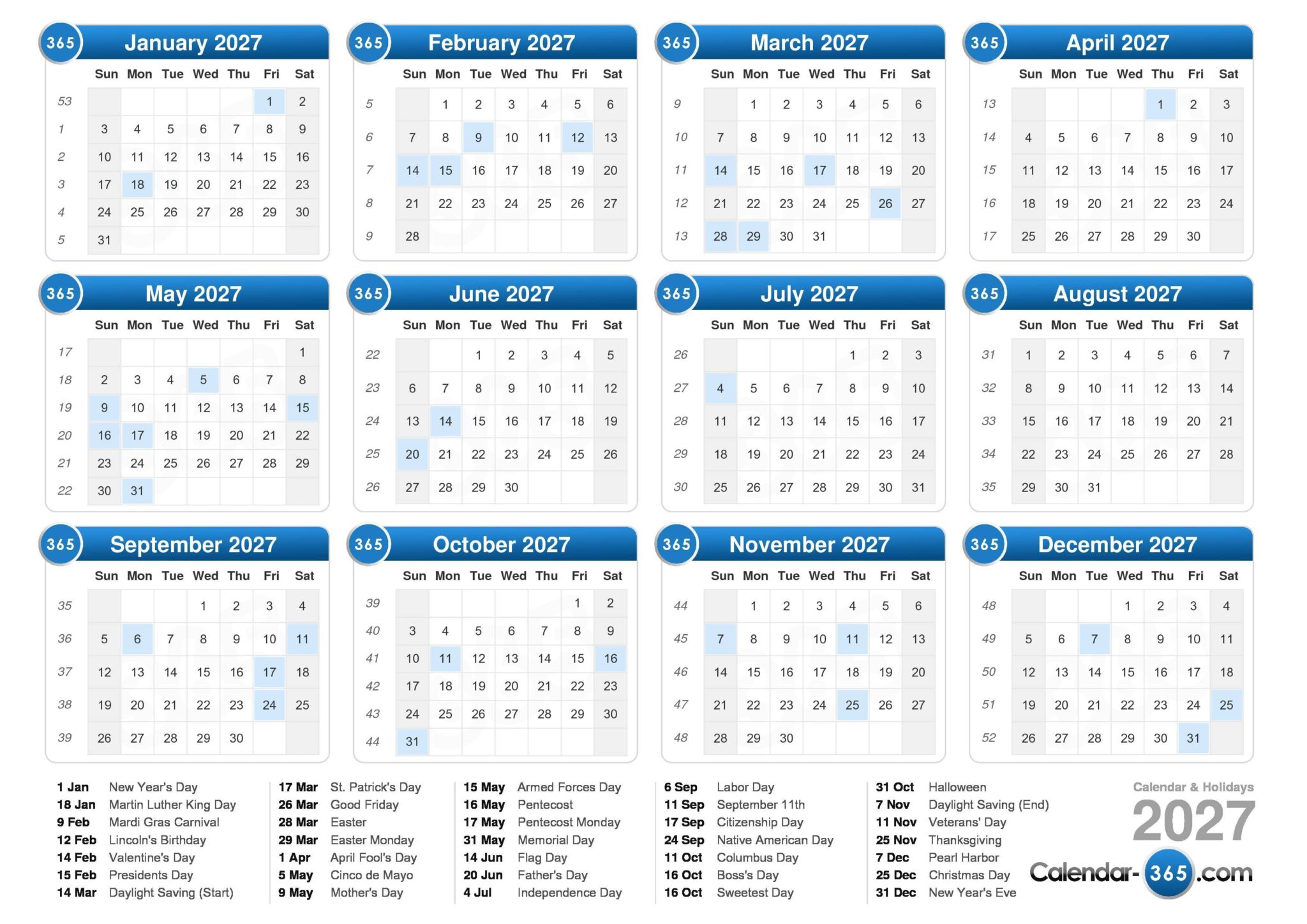
How Many Full Work Weeks Are There?
2027 offers 52 full work weeks, but not all are created equal. The weeks containing holidays often have fewer working days.
This means your average workweek might feel slightly shorter in some months—perfect for sneaky mental breaks if you plan right.
Why The 2027 Calendar Isn’t Your Average Date Sheet
Don’t let this calendar fool you into thinking it’s just a piece of paper. It’s a tool that can reshape your workflow. In real-world testing, I found that aligning tasks with the calendar’s natural ebbs and flows cuts stress dramatically.
Think of it like a chef timing each ingredient—throwing everything in haphazardly ruins the dish. Similarly, your workweek needs pacing.
2027’s Work Week Trends to Expect
- More compressed work weeks around holidays
- Opportunities for remote or flexible work days
- Natural slack periods for creative or low-pressure tasks
By identifying these windows, you can front-load intense projects and use lighter weeks to recharge.
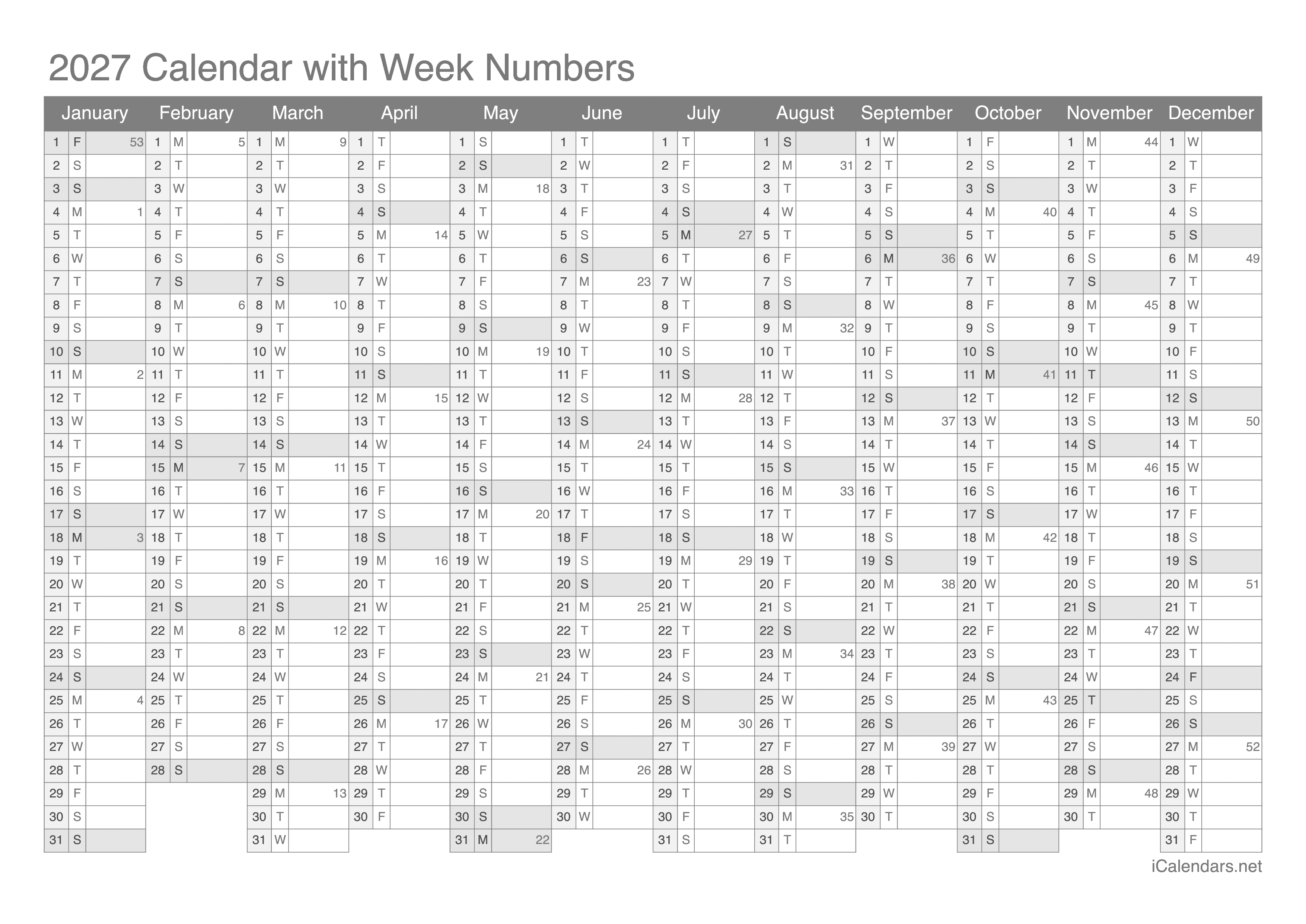
How to Use the Calendar for Planning Projects
Start by marking all federal holidays and known company shutdowns. Then, break your year into quarters around these points.
Assign major deliverables to weeks with full five days. Reserve weeks with holidays for catch-up, brainstorming, or administrative tasks.
This method prevents that last-minute sprint that kills weekends and sanity.
🚀 Quick Facts About the 2027 Work Week Calendar
– 52 work weeks total
– Holidays reduce some weeks to 4 or fewer workdays
– First full work week starts January 4, 2027
– Major US holidays impact week lengths: Memorial Day (May 31), Independence Day (July 4), Thanksgiving (Nov 25)
– Aligns with ISO 8601 week numbering
Working with these facts in mind means fewer surprises and better time management.


Frequently Asked Questions
What’s the best way to track the 2027 work weeks?
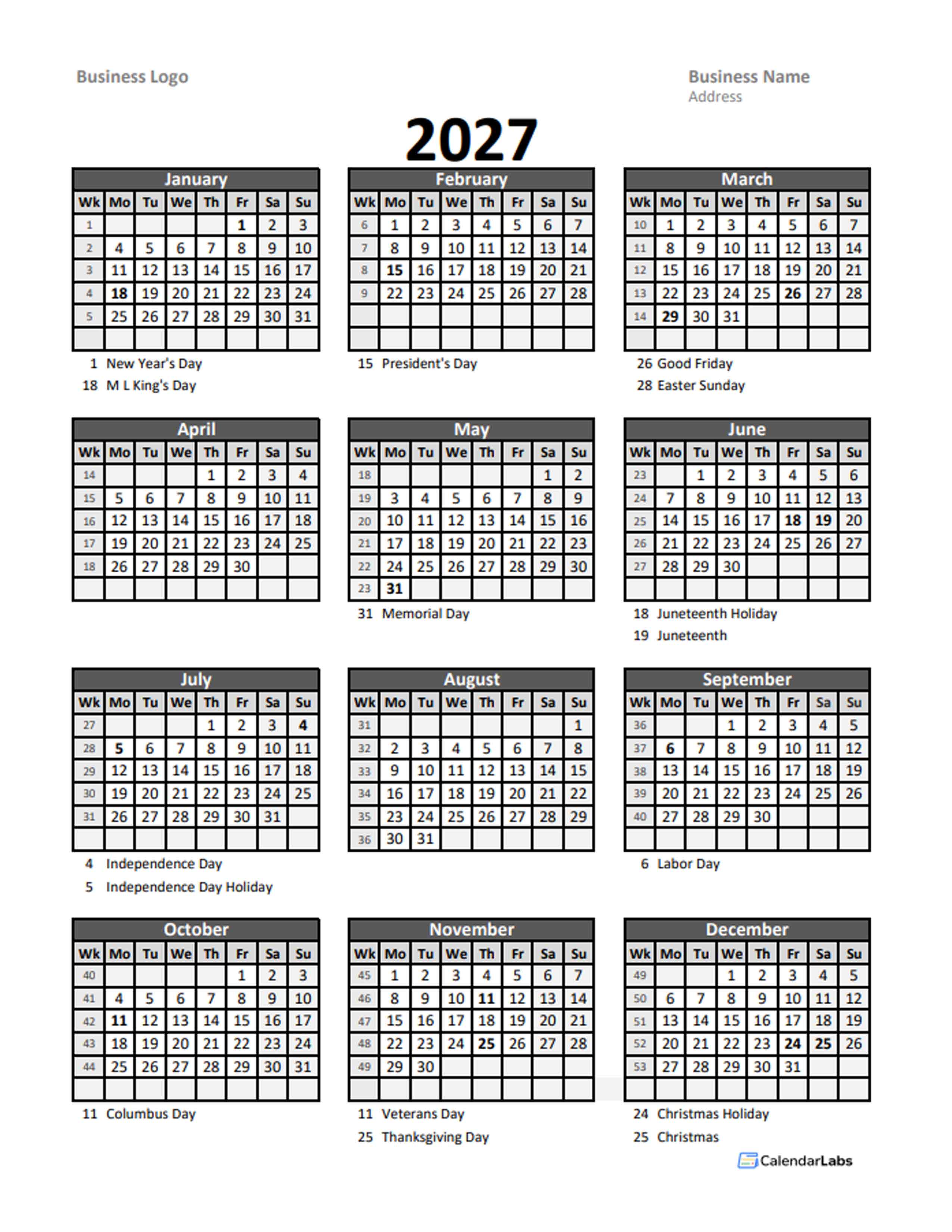
Use a digital calendar synced to ISO week numbers or a printed planner that highlights holidays and week starts. This makes spotting patterns easy.
Are there any unusual weeks in 2027?
The week starting December 27, 2027, spills into 2028, so it’s technically the last week of 2027 but includes days from the new year. Plan lighter tasks here.
How can I balance work and holidays effectively?
Front-load your work before holiday weeks and keep those weeks for smaller tasks or rest. This prevents piling up work or burning out.
⭐ Expert Insight: Planning Like a Pro for 2027
From my decade of juggling editorial calendars and team projects, the trick is anticipating the calendar’s quirks. The 2027 work week calendar isn’t just about tracking dates; it’s a strategic map. Think of a marathon runner adjusting pace based on terrain—flat stretches are for speed, hills for steady effort. Your work weeks behave the same.
Don’t set yourself up to sprint on a holiday-shortened week. Use those to recover or tackle creative work that thrives under less pressure.
In short, the 2027 work week calendar isn’t just a schedule; it’s your secret weapon if you’re willing to respect its rhythm. Master it, and you’re not just working—you’re winning.

Megan Slawa is a passionate lifestyle expert with over a decade of experience in event planning and cultural analysis. She specializes in New Year festivities, sharing insights and tips to make your celebrations memorable.