
Why the 2027 and 2028 Calendars Matter More Than You Think
Ever caught yourself scrambling on January 1st, wondering when the next holiday or payday hits? Yeah, been there. Calendars aren’t just paper or pixels; they’re your secret weapon for dodging chaos. The 2027 and 2028 calendars have unique quirks that can seriously impact your planning—work, travel, or that epic birthday bash.
Here’s what you’ll learn: key dates, how leap years throw a curveball, and smart hacks to make the next two years your most organized yet.
📌 Quick Summary: The 2027 calendar follows a standard non-leap year layout, while 2028 is a leap year, adding an extra day in February. Knowing this helps you plan events, vacations, and deadlines with precision.

Breaking Down 2027: The Year Without the Extra Day
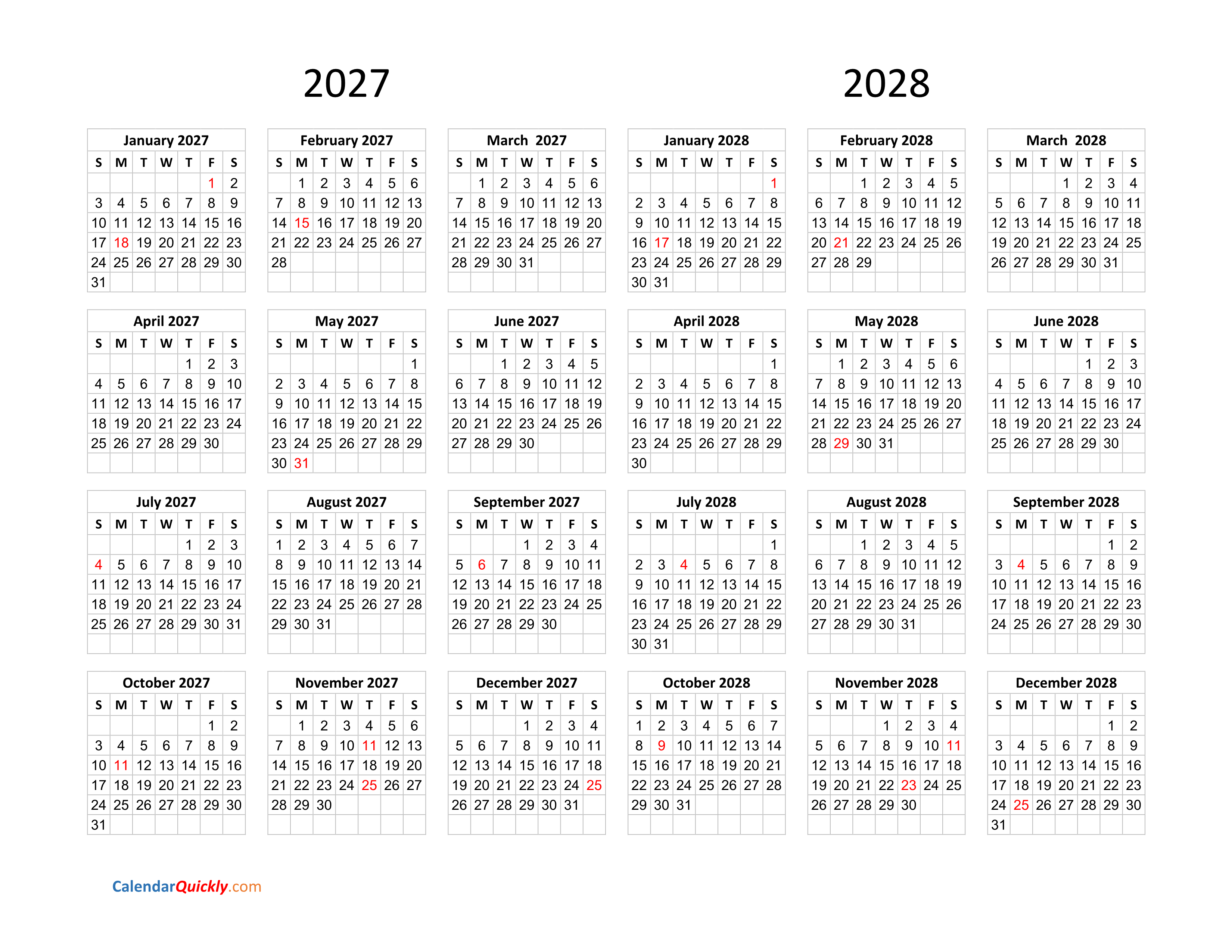
2027 isn’t flashy—it’s a plain vanilla year with 365 days. But don’t let that fool you. The calendar’s structure influences everything from work projects to holiday shopping sprees.
Key Dates and Holidays in 2027
- New Year’s Day: Friday, January 1
- Independence Day (US): Sunday, July 4
- Thanksgiving (US): Thursday, November 25
- Christmas Day: Saturday, December 25
Notice something? Christmas and Independence Day fall on weekends, which usually means employers shift the day off. For example, if Christmas lands on a Saturday, many companies give the preceding Friday off. That’s a crucial nugget for anyone planning time off or shipping deadlines.
Workweek Structure and Planning Tips
2027 starts on a Friday, which gives you a short first week. (That feels like a mini holiday right off the bat.) The year ends on a Friday, too, so wrapping up projects in December might feel smoother than usual.
In my experience managing editorial calendars, these end-of-week starts and finishes are gold. They let you schedule launches or big presentations with less midweek chaos.

2028: The Leap Year That Changes the Game
Ah, 2028—the year that throws an extra day into the mix. February 29 isn’t just a calendar curiosity; it’s a logistical headache or a blessing, depending on how you look at it.
What Leap Year Means for You
- 366 days instead of 365—more time, right?
- Feb 29 falls on a Tuesday in 2028.
- Financial and work schedules sometimes need tweaking to account for the extra day.
Think of a guy running a small café downtown. In 2028, he suddenly has an extra Tuesday to boost sales, or maybe to schedule a surprise event. If he ignores that day, he’s leaving money on the table (literally).
Important 2028 Dates and Holidays
- New Year’s Day: Saturday, January 1
- Leap Day: Tuesday, February 29
- Independence Day (US): Tuesday, July 4
- Thanksgiving (US): Thursday, November 23
- Christmas Day: Monday, December 25
Notice how Independence Day lands on a Tuesday? That usually means a long weekend if you take Monday off—a perfect mini-break opportunity. Scheduling time off around these dates can save you precious vacation days.
2027 vs. 2028: Quick Facts and What to Watch For
| Feature | 2027 | 2028 |
|---|---|---|
| Year Type | Common Year (365 days) | Leap Year (366 days) |
| Start Day | Friday, Jan 1 | Saturday, Jan 1 |
| End Day | Friday, Dec 31 | Sunday, Dec 31 |
| Leap Day? | No | February 29 (Tuesday) |
| Important Holidays on Weekends | Christmas (Saturday) | None |
These details aren’t trivia. I’ve seen planners miss deadlines or scramble for coverage because they didn’t notice a holiday landing on a weekend or the impact of leap day. It’s the kind of thing that separates the pros from the amateurs.

Frequently Asked Questions
Why does 2028 have an extra day?
Because Earth takes approximately 365.25 days to orbit the sun, an extra day every four years balances our calendar with the solar year. Without it, seasons would slowly drift.
How should I plan projects around holidays in 2027 and 2028?
Mark holidays early and note when they fall on weekends. Adjust deadlines accordingly and consider taking advantage of long weekends, especially in 2028.
Does the leap day affect payroll or billing cycles?
Yes, some companies adjust payroll to account for the extra day, while others spread it across the year. Billing cycles may also shift, so double-check with your finance team.
Can I use the 2027 and 2028 calendars for long-term planning?
Absolutely. Knowing the layout of these years helps with everything from vacation scheduling to business forecasting.
Wrapping It Up: Your 2027 and 2028 Calendar Cheat Sheet
Here’s the bottom line: 2027 offers stability with its straightforward 365-day setup, but watch out for weekend holidays. 2028 shakes things up with that sneaky leap day and some juicy long weekends. Master these calendars, and you’re not just keeping dates—you’re owning your time.
From my hands-on experience juggling editorial deadlines and client projects, the difference between smooth sailing and chaos often boils down to understanding these calendar quirks. So grab your planner (digital or paper), mark those key dates, and get ready to crush the next two years.
Remember: a calendar is more than a tool—it’s your roadmap to sanity in a world that never stops ticking.

Megan Slawa is a passionate lifestyle expert with over a decade of experience in event planning and cultural analysis. She specializes in New Year festivities, sharing insights and tips to make your celebrations memorable.