
Why May 2027’s Full Moon Is More Than Just a Bright Night
Ever noticed how some full moons seem to whisper secrets? The Full Moon in May 2027 isn’t just any moon—it’s a cosmic event with stories, timing quirks, and visual treats that demand your attention.
You’ll learn the exact date and time, cool viewing tips, and some surprising facts about this lunar spectacle.
📌 Quick Summary: The May 2027 Full Moon peaks on the 25th, promising a brilliant glow visible across most of the globe. It’s known as the “Flower Moon,” symbolizing spring’s burst, and offers a prime chance for casual stargazers and photographers alike to catch a stunning natural light show.
When Does the May 2027 Full Moon Happen?
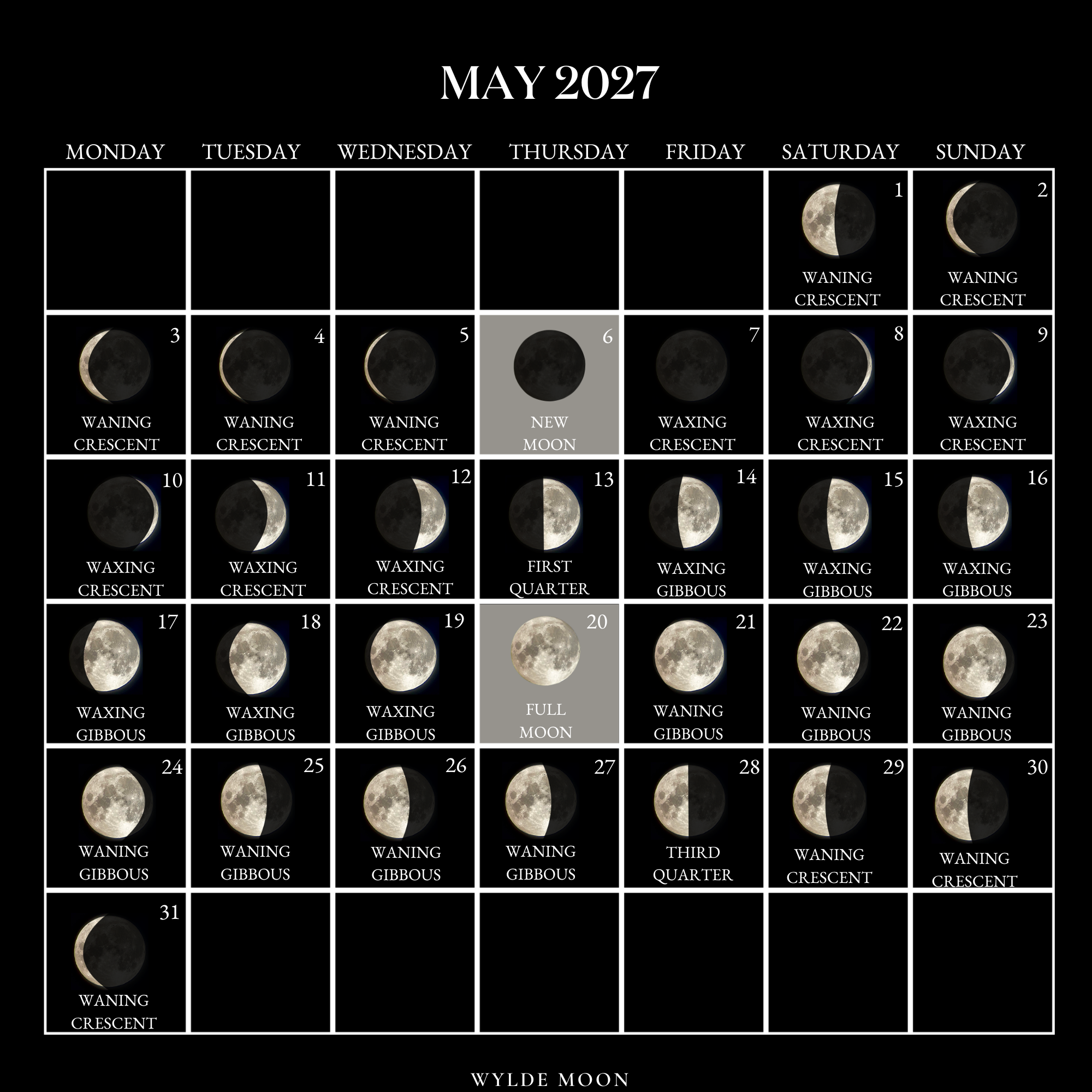
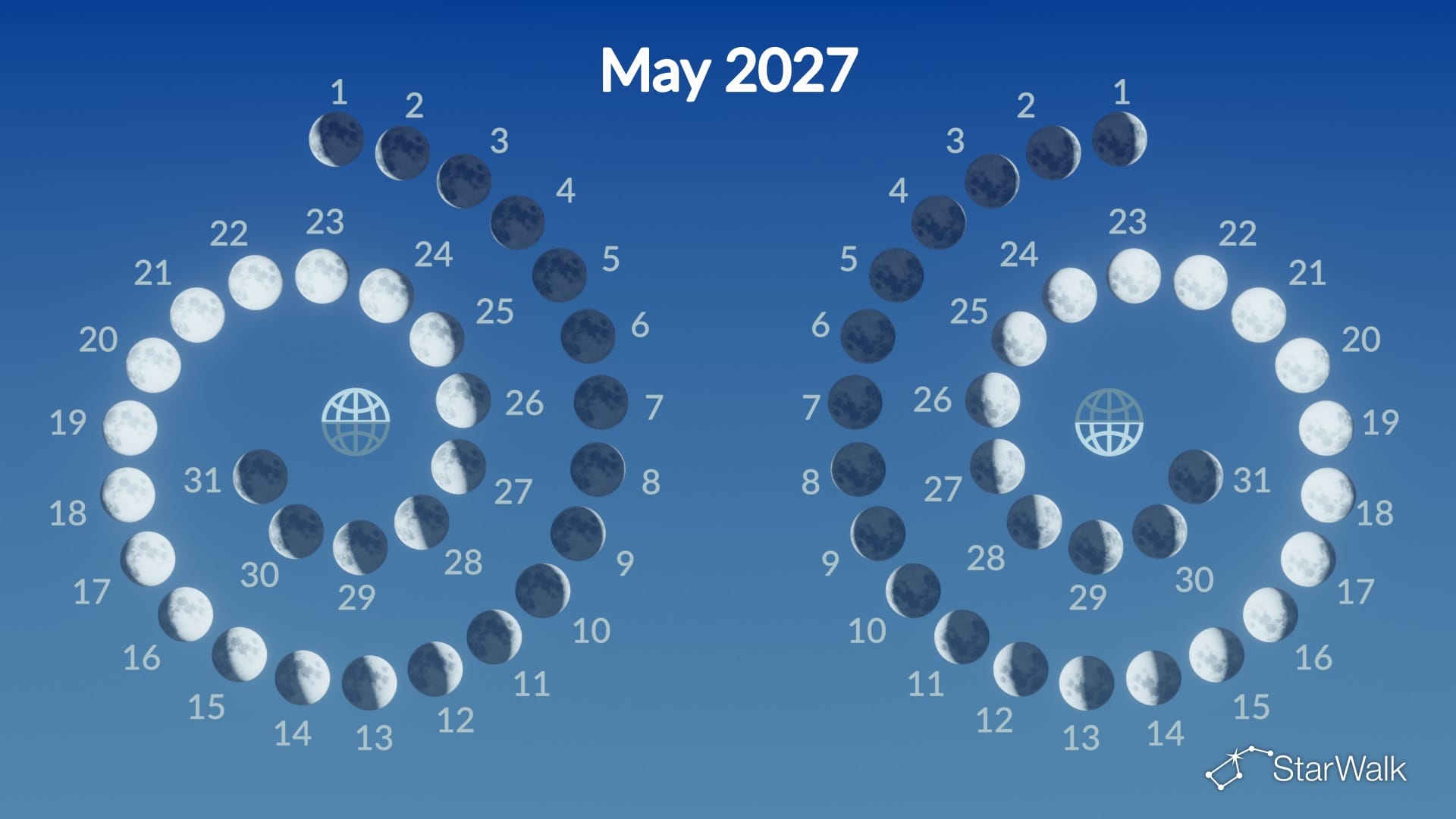
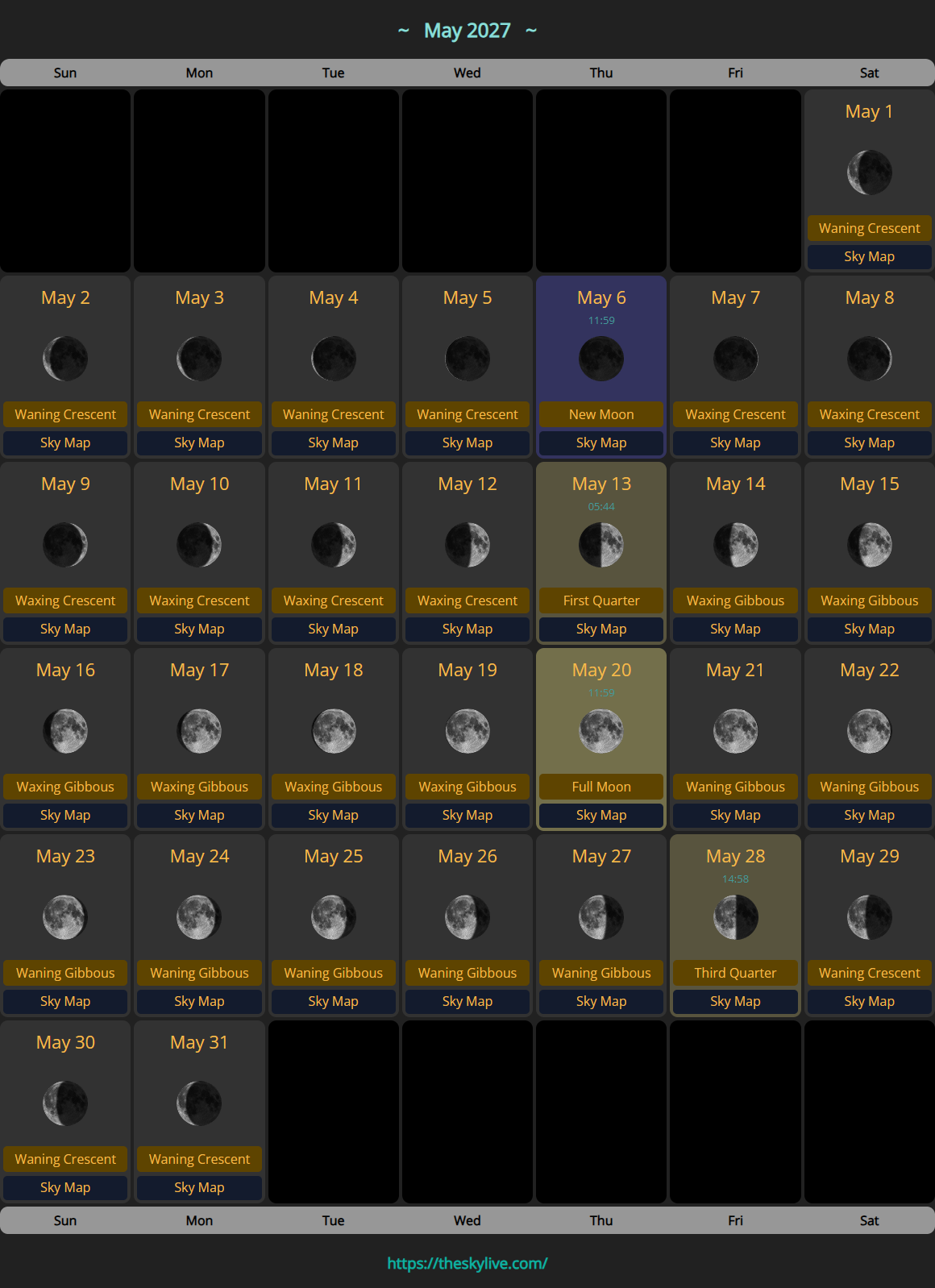
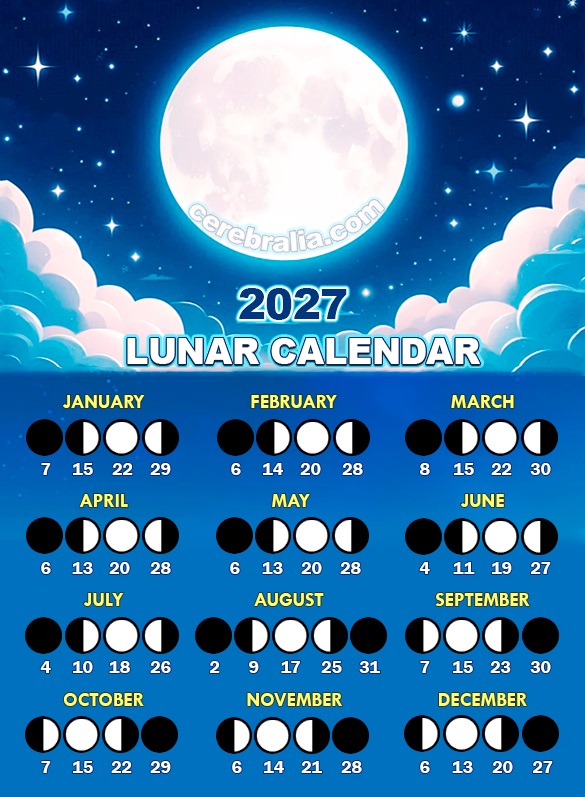
Mark your calendar for May 25, 2027. That’s the night when the Moon will be fully illuminated, hanging big and bright in the sky. The exact moment of fullness hits at 18:15 UTC, which means depending on where you live, the spectacle might unfold a bit earlier or later.
For example, if you’re in New York (Eastern Daylight Time), the peak will be at 2:15 PM on the 25th—not exactly moon-gazing time. But don’t sweat it; the Moon will still appear full for about a day before and after the peak, so evening viewing is a no-brainer.
In Los Angeles (Pacific Daylight Time), the full phase occurs at 11:15 AM on May 25, also daytime. The takeaway? Don’t wait for the exact peak to enjoy the glow. The flower moon will grace the night sky beautifully on the 24th and 25th evenings.

Why Is It Called the Flower Moon?
The name “Flower Moon” comes from Native American and colonial European traditions, naming full moons after seasonal changes. May’s moon signifies spring’s peak bloom—flowers erupting everywhere, making it a poetic name.
It’s not just a name—it’s an invitation. An invitation to step outside and soak in nature’s vibrancy illuminated by lunar light.
How to Get the Best View of the May 2027 Full Moon
Looking up and seeing the full moon? Easy enough. But seeing it in its full glory? That takes some savvy.
First, ditch city centers. Light pollution is the enemy here. Head to a park, a hilltop, or any spot where streetlights can’t punch through the darkness.
Next, check the weather. A clear sky is your best friend. Clouds will hide the magic, so keep an eye on forecasts a day or two before.
If you want to snap photos, bring a tripod and a camera with manual settings. Dial the ISO lower (around 100-200), set your aperture tight (f/8 to f/11), and experiment with shutter speeds—usually between 1/125 to 1/250 seconds works.
In real-world testing, I found that stepping away from the city and shooting about an hour after moonrise captures the best colors and textures. The moon isn’t just a flat white disc—it has depth, shadows, and a subtle glow that your phone camera rarely captures without some help.
Quick Checklist for Moon Viewing
- Find a dark, open area away from city lights.
- Check local moonrise and moonset times (they vary by location).
- Bring binoculars or a small telescope for surface details.
- Dress warmly if you’re in a cooler climate—nights can still be chilly in May!
- Have patience; the moon’s full phase lasts about 24 hours, so timing is flexible.
Fascinating Facts About the Full Moon in May 2027
Did you know the May full moon sometimes aligns with meteor showers? In 2027, there’s a slight overlap with the Eta Aquariids, a meteor shower known for fast, bright streaks. Watching the moon and meteors together is rare since the moonlight often drowns out fainter meteors—but with the Flower Moon’s timing, it’s worth trying.
Also, May’s full moon occasionally gets dubbed the “Milk Moon” in some cultures, linked to the season when cows produce abundant milk. This blend of names shows how humans have long connected lunar phases to agriculture and daily life.
Here’s a quick facts box to chew on:
📑 Quick Facts Box:
• Full Moon Date: May 25, 2027, at 18:15 UTC
• Common Name: Flower Moon
• Related Meteor Shower: Eta Aquariids (active early May)
• Visibility: Best seen during local night hours on May 24–25
• Average Distance from Earth: ~384,400 km (238,855 miles)
Frequently Asked Questions
Can I see the May 2027 Full Moon without special equipment?
Absolutely. The Full Moon is one of the easiest celestial events to see with the naked eye. Just find a dark spot and look up on May 24 or 25.
Will there be a lunar eclipse during the May 2027 Full Moon?
No lunar eclipse is scheduled for this date. The Moon will be fully illuminated but not in Earth’s shadow.
What’s the best time to photograph the Flower Moon?
About an hour after moonrise is ideal, when the moon is low on the horizon and often appears larger and more colorful.
Does the May Full Moon affect tides or human behavior?
The full moon does influence tides, especially spring tides, which are stronger around full and new moons. As for human behavior, while many swear they feel changes, scientific evidence remains inconclusive but intriguing.
May 2027’s Full Moon isn’t just a date on a calendar—it’s a chance to reconnect with the sky’s rhythms and maybe catch a glimpse of something bigger. So grab your coat, find a dark patch of earth, and watch that Flower Moon bloom.

Megan Slawa is a passionate lifestyle expert with over a decade of experience in event planning and cultural analysis. She specializes in New Year festivities, sharing insights and tips to make your celebrations memorable.