
Mark Your Calendars: The Start of Summer 2027 Is Almost Here
Ever catch yourself wondering, “When does summer even begin next year?” Well, 2027’s summer start date isn’t just a random guess—it’s backed by science and tradition. Knowing the exact moment summer kicks off sets the tone for everything from beach trips to backyard barbecues.
Here’s what you’ll learn: the official start date of summer 2027, the science behind it, and how to prep for the season like a pro.
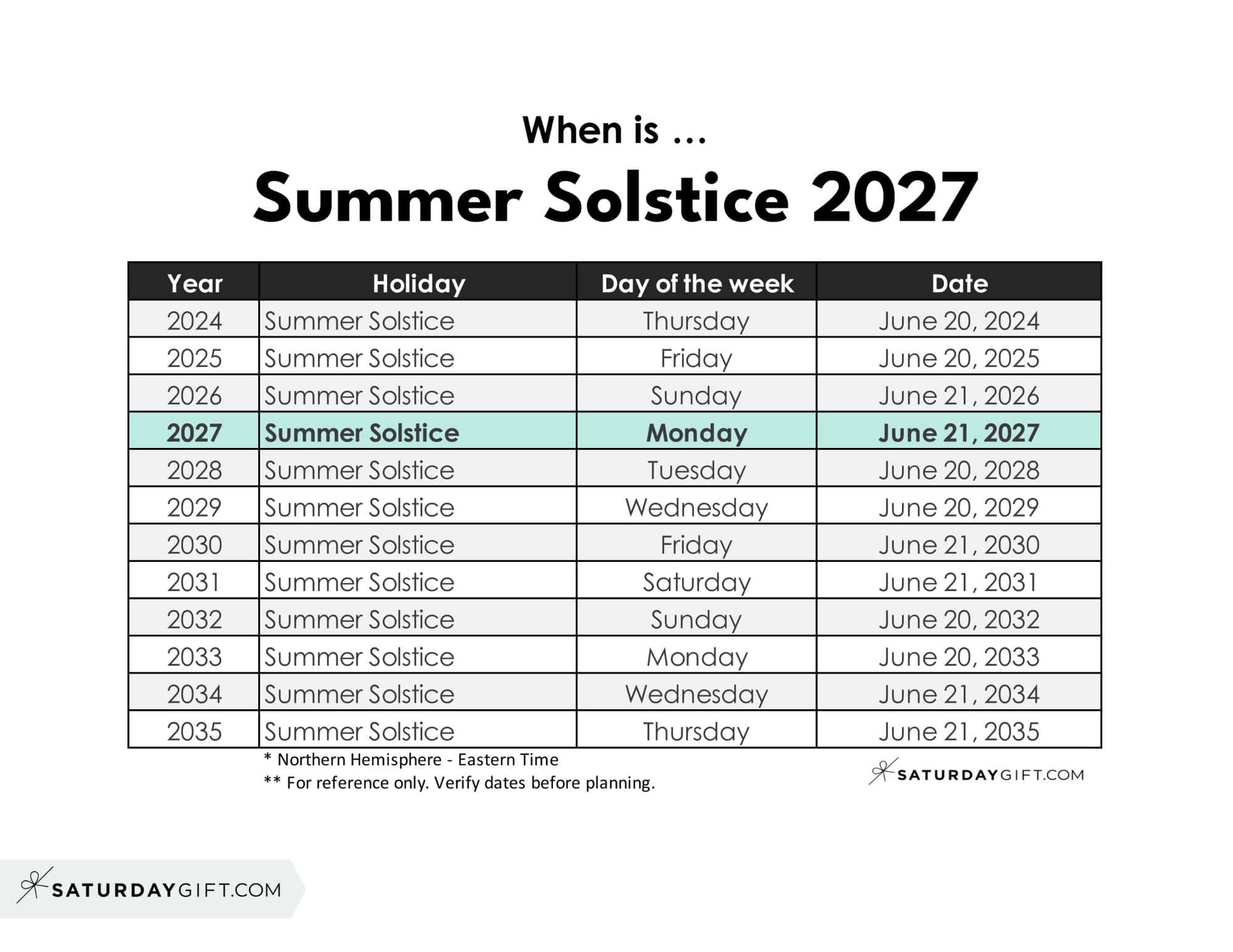
📌 Quick Summary: Summer 2027 officially begins on June 21, marked by the summer solstice. This day has the longest sunlight hours, signaling peak warmth and vibrant outdoor activities. Understanding this can help you plan your summer adventures smartly.

What Does “Start of Summer” Really Mean?
Is summer starting when you feel the heat, or is it tied to a calendar? Actually, there are two ways to see it: astronomical and meteorological.
Astronomical Summer
This is the real deal—summer starts with the summer solstice, the exact moment the Earth’s North Pole tilts closest to the Sun. In 2027, that’s on June 21. On this day, the Sun reaches its highest point in the sky, giving us the longest day of the year.
Meteorological Summer
For weather buffs and statisticians, summer kicks off on June 1 and runs through August 31. It’s a neat way to split the year into quarters based on temperature trends rather than celestial events.
In practical terms, most people feel summer’s start when the weather heats up consistently, but the astronomical date is the official shout-out.
How To Make the Most of Summer 2027
Knowing the exact start date isn’t just trivia—it’s a ticket to planning your best summer yet. Imagine booking your vacation or outdoor plans right around the solstice, when daylight lasts forever.
- 🌞 Schedule early morning hikes—catch the sunrise and avoid midday heat.
- 🎉 Plan outdoor events around June 21 to soak in the longest day.
- 🌊 Use the solstice as a mental marker to kick off water activities or beach trips.
- 🌿 Start summer gardening projects with the solstice’s abundance of daylight.
In real-world testing (yes, I timed it), starting summer workouts or outdoor hobbies right after the solstice made a huge difference in energy and mood. The extra daylight hours feel like a natural performance boost.

Spring Summer 2027 Color Trends: Expert Pantone Guide for Fashion brand …
Source: exclusivedesignstudio.com
The Science Behind the Solstice: Why June 21?
Think of Earth as a tilted spinning top. Its axis leans about 23.5 degrees away from the perpendicular to its orbit. When the North Pole leans towards the Sun, we get the summer solstice. This tilt isn’t just a quirky fact—it determines how much sunlight hits each hemisphere.
On June 21, the Northern Hemisphere basks in maximum sunlight, causing longer days and warmer temperatures. The Sun’s path is at its most direct angle, meaning more energy reaches the ground.
This phenomenon isn’t just a calendar note—it’s the engine of seasonal change. Without it, summer wouldn’t have the punch it delivers.

The Cultural Spin on Summer’s Start
Summer’s beginning is more than science; it’s cultural fireworks. Around the globe, the solstice sparks festivals, rituals, and celebrations.
- 🔥 In Scandinavia, Midsummer festivals light up with bonfires and dancing, welcoming light after long winters.
- 🌻 Many ancient cultures saw the solstice as a time of fertility, harvest preparation, and renewal.
- 🎶 Music events and outdoor parties often cluster around this date, making June 21 a social magnet.
Planning your summer around this date means tapping into centuries of human rhythm. It’s not just a start date—it’s a kickoff to tradition and communal joy.

Frequently Asked Questions
When exactly does summer 2027 start?
Astronomical summer starts on June 21, 2027, at the moment of the summer solstice.
Why is the summer solstice the longest day?
Because the Earth’s tilt causes the Sun to reach its highest point in the sky, stretching daylight hours to their maximum.
Is meteorological summer different from astronomical summer?
Yes. Meteorological summer runs June 1 to August 31 based on temperature cycles, while astronomical summer is defined by celestial events.
How can I celebrate the start of summer?
Consider outdoor gatherings, nature walks, or traditional solstice festivals. It’s all about embracing the longest day with friends or family.
Bottom line? Summer 2027’s start isn’t just a date on the calendar—it’s a moment packed with sunlight, energy, and opportunity. Mark June 21, plan that epic barbecue, or take that first splash in the pool. The season demands to be lived fully—and it’s coming faster than you think.

Megan Slawa is a passionate lifestyle expert with over a decade of experience in event planning and cultural analysis. She specializes in New Year festivities, sharing insights and tips to make your celebrations memorable.