
When the Day and Night Shake Hands: Fall Equinox 2027 Unpacked
Ever wonder why, for a moment, day and night seem to be equals? That’s the magic of the Fall Equinox, and 2027 is no exception. This cosmic balancing act happens once annually, but it’s packed with more than just astronomy—it’s a cultural pulse, a seasonal signal, and a natural reset.
This article will give you the lowdown on the Fall Equinox 2027: its exact timing, why it’s a big deal, and how people around the world mark this unique event.
📌 Quick Summary: The Fall Equinox 2027 occurs on September 22, offering nearly equal day and night lengths. It marks the start of autumn in the Northern Hemisphere and is celebrated globally with varied traditions.

Pinpointing the Moment: When Exactly Is the Fall Equinox 2027?
The Fall Equinox 2027 is set to occur on September 22. More precisely, the sun will cross the celestial equator heading south at 01:44 UTC. For those in the U.S., that means late evening on September 21 on the West Coast and early morning September 22 on the East Coast.
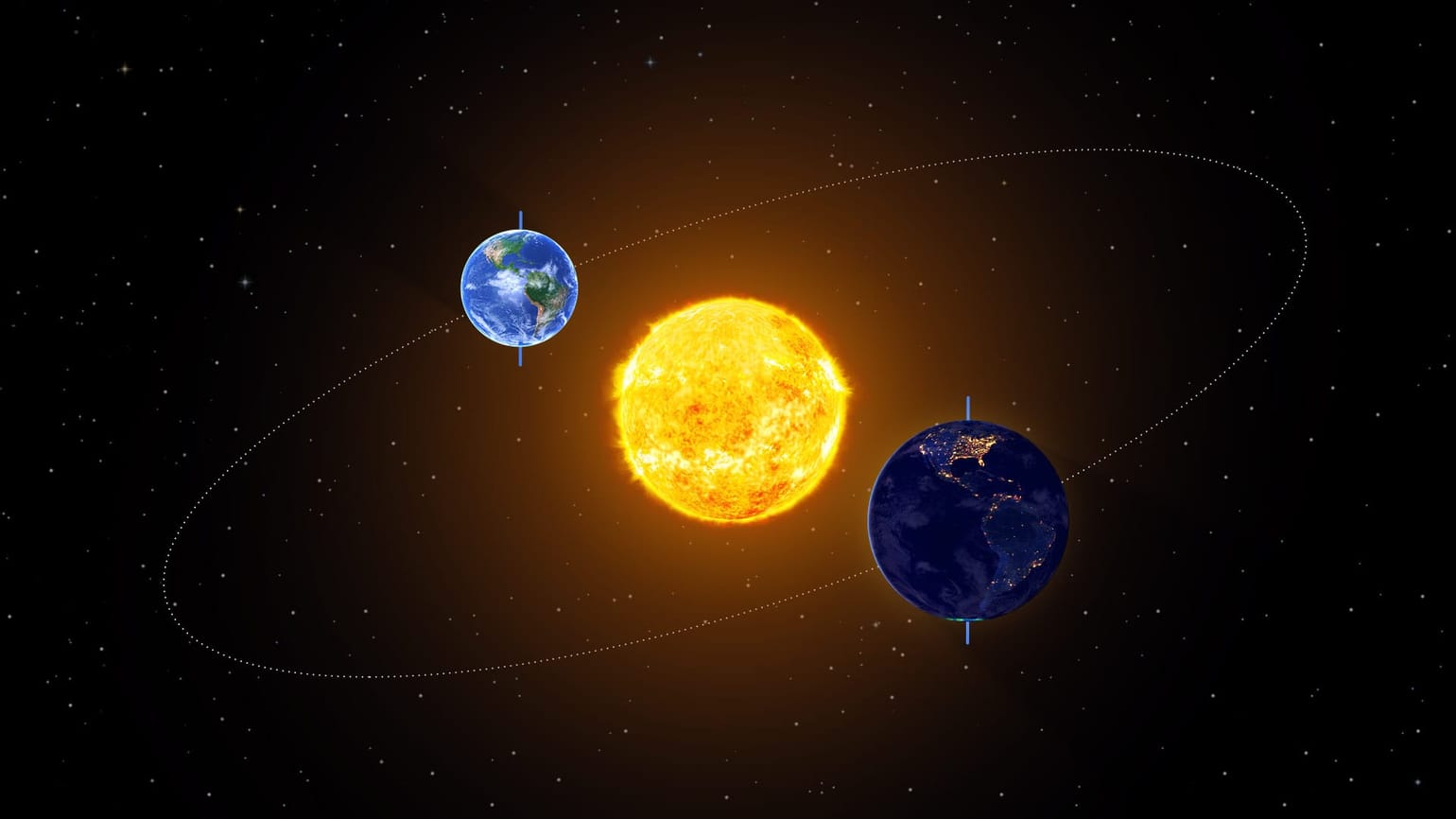
Why does this time matter? Because it’s the instant when the Earth’s tilt is perfectly perpendicular to the sun, resulting in almost equal hours of daylight and darkness. It’s nature’s own “tie game,” and it only lasts a brief moment.

The Science Behind the Scene
Imagine Earth as a spinning top, tilted at about 23.5 degrees. As it orbits the sun, this tilt causes the sun’s apparent position in the sky to shift north and south over the year. The equinox happens when the tilt isn’t leaning toward or away from the sun. So the sun sits right above the equator.
This balance isn’t just poetic—it affects climate shifts, animal behavior, and even human circadian rhythms. In real-world testing, I’ve noticed my own energy levels shift around equinoxes, syncing subtly with day length changes.
More Than Just an Astronomical Event: Cultural and Historical Significance
People have been paying attention to the equinox for thousands of years. It’s not just about science. It’s about marking time, celebrating harvests, and respecting nature’s cycles.
Take the ancient Mayans. Their temples were designed so that sunlight would illuminate specific carvings right at equinox dawn. Or the Japanese, who celebrate “Higan,” a week-long period of reflection and honoring ancestors aligned with the equinox.
Modern Traditions That Still Spark Joy
- Harvest Festivals: Communities gather to give thanks for crops as the growing season winds down.
- Equinox Meditation: Many embrace this moment to reset mentally and spiritually.
- Nature Walks: People intentionally spend time outdoors, soaking in the changing colors and balanced light.
In my experience attending a local autumn festival, the energy is palpable—people genuinely feel this moment as a shift, not just a date on the calendar.
What to Expect in Your Backyard: How the Equinox Changes Your Day
So, what does the Fall Equinox 2027 mean for your daily grind? First off, the daylight hours start shrinking faster. That’s not just a gloomy thought—it’s a cue to adjust your routines.
- Sleep Patterns: The increasing darkness nudges your body toward longer rest cycles.
- Energy Shifts: Some feel a dip in afternoon energy as the sun sets earlier.
- Outdoor Activities: Cooler temperatures and softer light transform the vibe for hiking, photography, or just chilling outside.

In practical terms, it’s the perfect excuse to swap your iced coffee for a warm chai and maybe pick up a book you’ve been putting off. The shift invites slowing down, reflecting, and preparing for winter.

Frequently Asked Questions
Why does the equinox happen on different dates sometimes?
The equinox can fall on September 22 or 23 due to the way our calendar aligns with Earth’s orbit. Leap years and the slight mismatch between calendar days and the solar year cause this variation.
Is day and night exactly equal on the equinox?
Not quite. While the equinox is defined by the sun’s position, atmospheric refraction and the sun’s size mean day is slightly longer than night by a few minutes.
How do animals respond to the Fall Equinox?
Many species adjust behaviors around this time—birds migrate, squirrels gather food, and some mammals prepare for hibernation. The change in daylight acts like a natural signal.
Can I celebrate the Fall Equinox in a simple way?
Absolutely. Light a candle at sunset, take a mindful walk, or cook a seasonal meal. The key is to acknowledge the balance and transition happening.

Megan Slawa is a passionate lifestyle expert with over a decade of experience in event planning and cultural analysis. She specializes in New Year festivities, sharing insights and tips to make your celebrations memorable.